Medical Office Cleaning Standards: Safeguarding Patient Health
- jeffwashausen
- Jan 19
- 8 min read

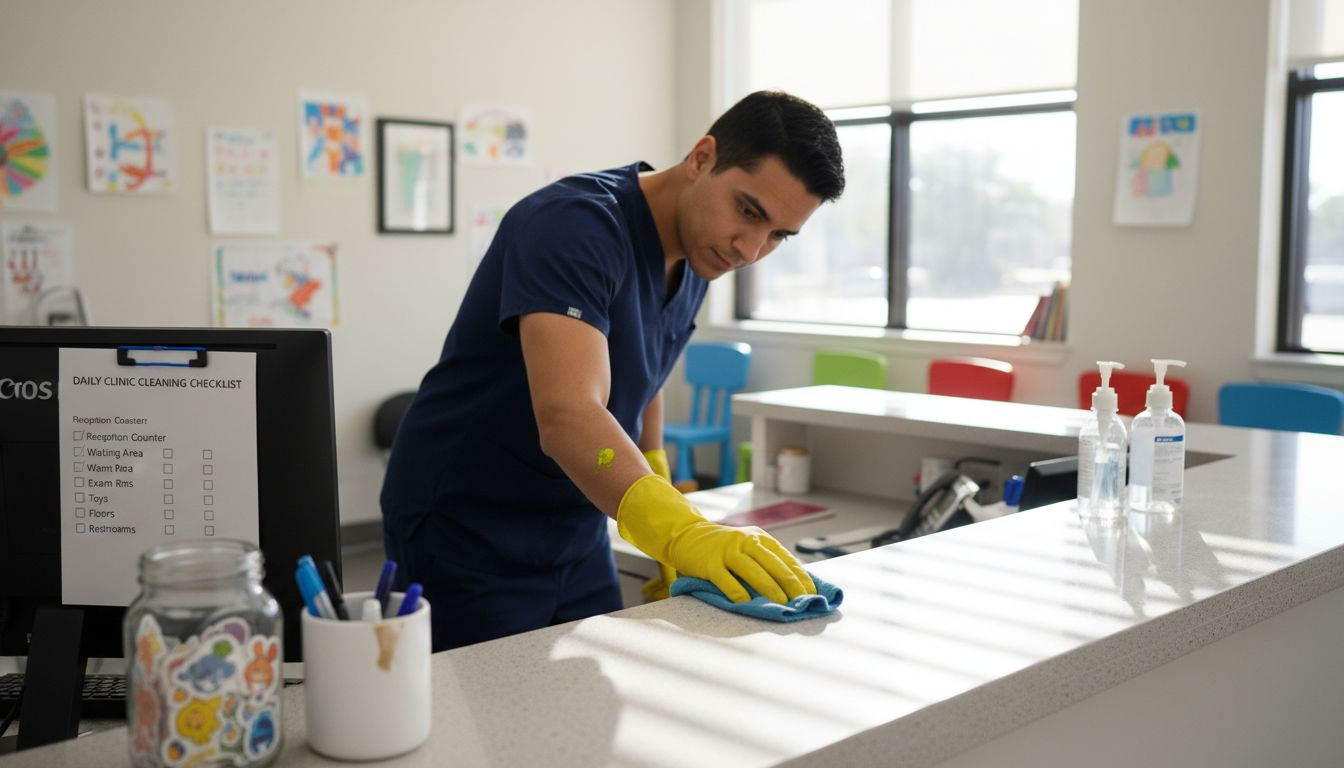
A single overlooked cleaning step can put your patients and practice at risk, a reality every american medical office manager faces in St. Augustine and Jacksonville. The Centers for Disease Control and Prevention attribute up to 10 percent of healthcare-associated infections to lapses in environmental hygiene. Maintaining strict compliance with medical office cleaning standards is essential for patient safety and your facility’s reputation. Discover how to stay ahead of evolving guidelines and safeguard your practice with actionable strategies tailored for american healthcare settings.
Table of Contents
Key Takeaways
Point | Details |
Cleaning Standards | Medical office cleaning standards are vital for maintaining sterile environments and reducing infection risks. Compliance with CDC and OSHA guidelines is essential. |
Routine vs. Terminal Cleaning | Routine cleaning involves daily maintenance, while terminal cleaning is an intensive process after patient discharge or infectious exposure. Both are crucial for infection control. |
Staff Training | Comprehensive staff training and thorough documentation are critical for effective cleaning protocols, ensuring consistent quality and regulatory compliance. |
Risks of Non-Compliance | Non-compliance can lead to patient safety risks, regulatory penalties, and potential legal consequences, underscoring the importance of meticulous cleaning practices. |
Defining Medical Office Cleaning Standards
Medical office cleaning standards represent critical protocols designed to maintain sterile healthcare environments and minimize patient infection risks. These comprehensive guidelines establish systematic approaches for achieving maximum hygiene and safety across medical facilities. Healthcare facility cleaning standards require meticulous attention to detail and rigorous implementation of specialized disinfection techniques.
The primary objectives of medical office cleaning standards encompass several crucial dimensions. These include preventing cross-contamination, eliminating pathogenic microorganisms, protecting patient and staff health, and maintaining compliance with federal healthcare regulations. Specific standards address surface cleaning, equipment sterilization, waste management, and environmental control mechanisms that collectively reduce healthcare-associated infection transmission risks.
Key components of comprehensive medical office cleaning standards typically involve multiple strategic elements. These range from selecting appropriate disinfectant solutions and implementing precise cleaning protocols to training staff in advanced sanitization techniques. Medical facilities must adhere to guidelines established by authoritative bodies like the Joint Commission, which mandate specific procedures for different healthcare zones including examination rooms, waiting areas, surgical spaces, and administrative sections.
Pro tip: Develop a standardized cleaning checklist with time-stamped verification to ensure consistent compliance and documentation of medical office cleaning protocols.
Key Requirements From CDC and OSHA
Healthcare facilities must navigate complex regulatory requirements established by the Centers for Disease Control and Prevention (CDC) and the Occupational Safety and Health Administration (OSHA) to ensure comprehensive medical office cleaning standards. These federal agencies provide detailed infection control guidelines that serve as critical frameworks for maintaining patient and staff safety in medical environments.
OSHA regulations specifically focus on protecting healthcare workers from potential biological hazards and establishing stringent protocols for handling potentially infectious materials. Their guidelines mandate comprehensive protective measures including proper personal protective equipment (PPE), precise waste management procedures, and systematic approaches to handling contaminated surfaces. Medical offices must implement detailed documentation processes, conduct regular risk assessments, and maintain rigorous training programs to ensure full compliance with these comprehensive safety standards.
The CDC’s requirements extend beyond basic cleaning protocols, emphasizing a holistic approach to infection prevention. These standards address critical areas such as environmental cleaning frequency, disinfection techniques for different surface types, air quality management, and specialized cleaning procedures for high-risk medical zones. Healthcare facilities must develop customized cleaning protocols that specifically address the unique characteristics of different medical spaces, from waiting rooms to surgical areas, ensuring maximum protection against potential disease transmission.
Pro tip: Create a comprehensive compliance matrix that cross-references CDC and OSHA requirements to streamline documentation and ensure thorough regulatory adherence.
Types of Cleaning: Routine Versus Terminal
In medical office environments, two primary cleaning approaches ensure comprehensive hygiene and infection control: routine and terminal cleaning. Cleaning global procedures distinguish these methods based on their specific purposes, frequency, and depth of sanitization. Routine cleaning represents the daily maintenance strategy that keeps medical spaces consistently safe and presentable, while terminal cleaning represents a more intensive intervention triggered by specific clinical circumstances.
Routine cleaning involves systematic daily or periodic cleaning tasks performed to maintain baseline environmental hygiene. These activities typically include surface wiping, floor cleaning, waste management, and basic disinfection of high-touch areas like doorknobs, reception counters, and waiting room furniture. Medical staff usually perform these tasks using standard cleaning protocols, focusing on visible dirt removal and standard-level microbial control to prevent routine contamination and maintain a professional appearance.
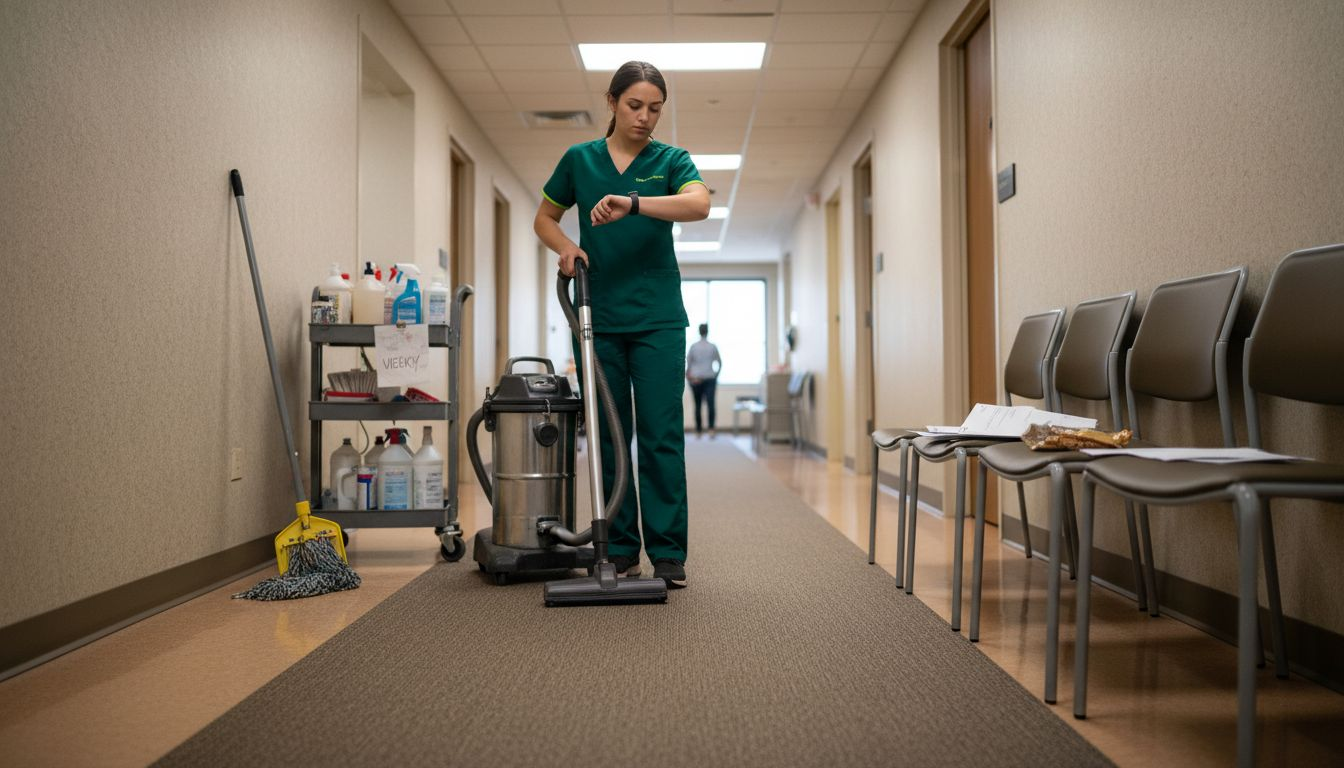
Terminal cleaning, by contrast, represents a comprehensive and rigorous disinfection process typically conducted after patient discharge, following infectious disease exposure, or in high-risk medical zones like surgical suites. This meticulous approach involves complete room decontamination, including hard-to-reach areas, specialized medical equipment, and comprehensive surface treatment. Terminal cleaning requires specialized training, advanced disinfection techniques, and often involves multiple cleaning stages to ensure complete pathogen elimination and prevent potential cross-contamination.
Pro tip: Develop a color-coded cleaning system to differentiate routine and terminal cleaning tools, preventing accidental cross-contamination between standard and high-intensity disinfection processes.
Here’s a comparison of routine cleaning and terminal cleaning in medical offices:
Cleaning Approach | Typical Frequency | Key Focus Areas | Required Staff Expertise |
Routine Cleaning | Daily or scheduled | High-touch surfaces, general areas | Basic training |
Terminal Cleaning | After patient discharge | All surfaces, equipment, hidden zones | Specialized training |
Essential Practices for Cross-Contamination Prevention
Medical offices face significant challenges in preventing cross-contamination, requiring comprehensive strategies that go beyond standard cleaning protocols. Medical office cleaning procedures emphasize systematic approaches designed to minimize pathogen transmission and protect both patients and healthcare workers. The fundamental goal is creating an environment where potential infection vectors are systematically identified, controlled, and eliminated through meticulous planning and execution.
Key prevention strategies involve implementing rigorous protocols across multiple dimensions. These include strict hand hygiene requirements, specialized personal protective equipment (PPE) usage, careful material handling, and strategic cleaning sequences. Healthcare facilities must establish clear guidelines for equipment sanitization, waste management, and zone-specific cleaning techniques. Critical components include using hospital-grade disinfectants, maintaining color-coded cleaning supplies to prevent cross-contamination, and developing comprehensive staff training programs that reinforce best practices for infection control.
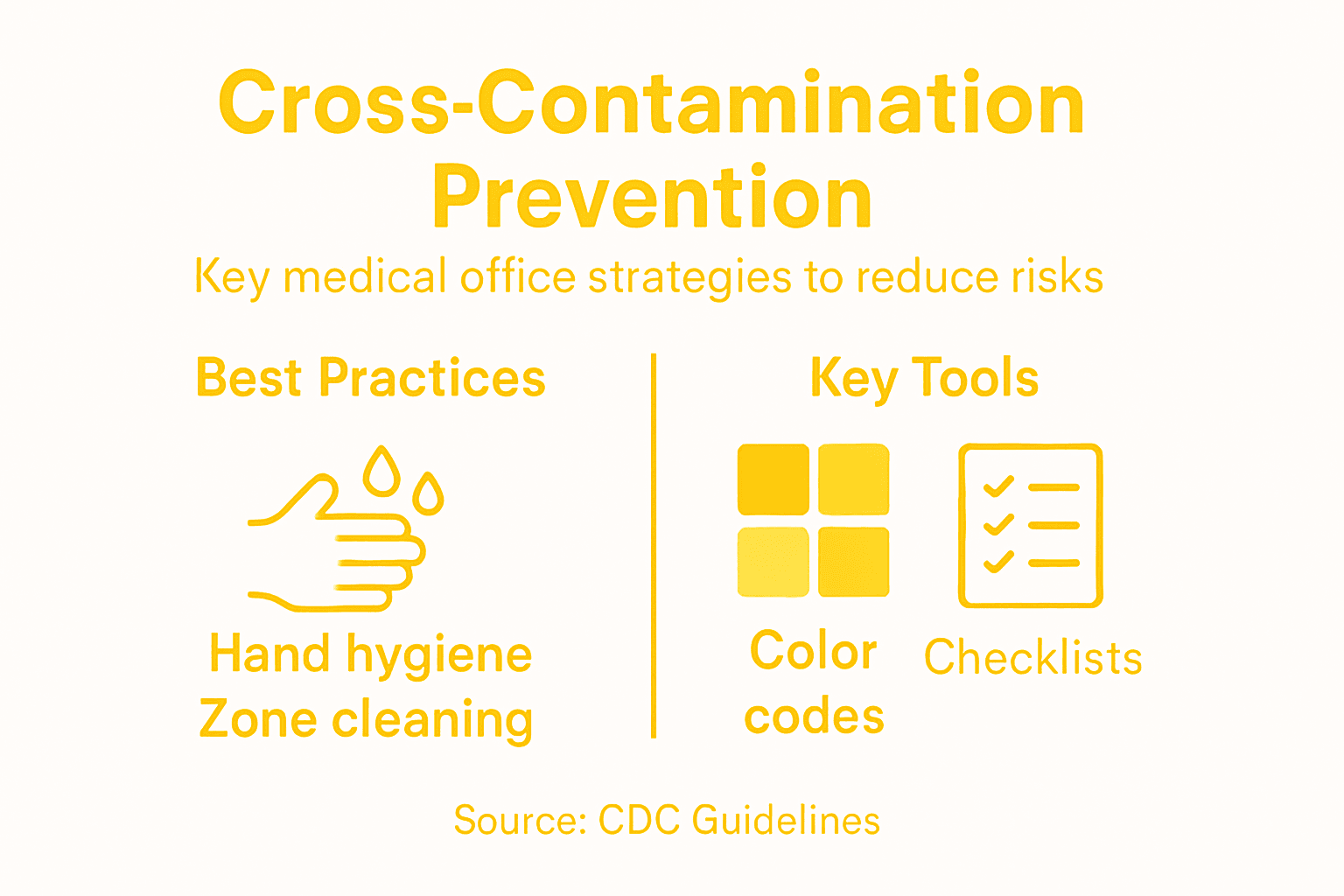
Zone-based cleaning represents a sophisticated approach to cross-contamination prevention. Medical offices must develop hierarchical cleaning strategies that prioritize areas based on infection risk, starting with least contaminated spaces and progressively moving to high-risk zones. This methodical approach requires cleaning staff to use distinct equipment, follow specific movement patterns, and employ advanced disinfection techniques that address both visible and microscopic contamination risks. Specialized cleaning protocols must account for different surface materials, medical equipment sensitivity, and potential pathogen survival characteristics.
Pro tip: Implement a comprehensive tracking system that documents cleaning sequences, disinfectant types, and staff training to create an auditable cross-contamination prevention workflow.
Risks of Non-Compliance and Common Pitfalls
Medical office cleaning non-compliance represents a critical vulnerability that can compromise patient safety, staff health, and institutional reputation. While seemingly minor oversights might appear inconsequential, they can rapidly escalate into significant health risks with potentially devastating consequences. Standard cleaning procedures require meticulous attention to detail and unwavering commitment to established protocols to mitigate potential contamination scenarios.
Common pitfalls in medical office cleaning frequently emerge from inadequate staff training, inconsistent implementation of disinfection protocols, and systemic shortcuts that undermine comprehensive hygiene standards. These risks manifest through multiple channels, including improper personal protective equipment usage, insufficient understanding of cross-contamination prevention, inadequate cleaning supply management, and lack of systematic documentation. Healthcare facilities must recognize that each cleaning interaction represents a potential transmission point for infectious agents, demanding precision and vigilance at every operational level.
The financial and legal ramifications of non-compliance extend far beyond immediate health risks. Medical offices may face substantial regulatory penalties, potential medical malpractice litigation, loss of accreditation, and irreparable damage to institutional reputation. Healthcare-associated infections resulting from substandard cleaning practices can lead to extended patient treatment periods, increased medical complications, and exponential cost increases. Moreover, regulatory bodies maintain stringent oversight, with potential sanctions ranging from monetary fines to complete operational shutdowns for consistent non-compliance with established medical cleaning standards.
Pro tip: Develop a comprehensive compliance audit checklist with real-time tracking and mandatory staff verification to systematically identify and address potential cleaning protocol vulnerabilities.
Summary of major compliance risks and consequences in medical office cleaning:
Risk Factor | Example Outcome | Regulatory Consequence |
Inadequate Documentation | Missed cleaning records | Loss of accreditation |
Improper PPE Usage | Increased staff infection | OSHA penalties |
Poor Training | Cross-contamination events | Legal action, fines |
Staff Training and Cleaning Documentation Essentials
Staff training and documentation represent the foundational infrastructure of effective medical office cleaning protocols, ensuring consistent quality and regulatory compliance. Comprehensive training programs must systematically address multiple dimensions of healthcare environmental hygiene, from technical cleaning techniques to understanding complex infection control principles. Reliable cleaning practices demonstrate that structured education transforms cleaning from a routine task into a critical patient safety intervention.
Effective documentation serves as both an educational tool and a legal safeguard for medical facilities. Robust documentation systems should include detailed standard operating procedures, comprehensive training records, equipment maintenance logs, cleaning sequence checklists, and real-time tracking mechanisms. These systems must capture critical information such as cleaning timestamps, specific disinfection techniques used, staff member identifications, and compliance verification signatures. By maintaining meticulous records, medical offices create transparent accountability frameworks that protect both patients and institutional interests.
Training programs must encompass theoretical knowledge and hands-on practical skills, integrating multiple learning modalities to ensure comprehensive understanding. Critical training components include microbial transmission pathways, proper personal protective equipment usage, chemical disinfectant selection and application, equipment sanitization protocols, and understanding regulatory compliance requirements. Interactive training sessions, simulation exercises, periodic skill assessments, and continuous education modules help medical cleaning staff develop and maintain high-performance competencies essential for maintaining optimal healthcare environments.
Pro tip: Implement a digital training management system that tracks individual staff certifications, provides ongoing educational modules, and generates automated compliance reports.
Ensure Your Medical Office Meets the Highest Cleaning Standards Today
Maintaining strict medical office cleaning standards is essential to safeguard patient health and prevent cross-contamination risks. The challenges of adhering to CDC and OSHA guidelines while managing routine and terminal cleaning require specialized expertise and attention to detail. Failing to meet these rigorous protocols can lead to serious consequences including infection outbreaks and regulatory penalties. Protect your facility by partnering with cleaning professionals who understand the importance of compliance and thorough sanitization.
Discover how our trusted office cleaning services can deliver reliable, hospital-grade cleanliness that supports infection control and regulatory compliance. We provide trained staff, meticulous documentation, and customized cleaning plans designed to align with your medical environment’s specific needs. Don’t wait for risks to escalate. Contact us now at https://mylemonmaids.com to schedule a consultation and ensure your medical office upholds the highest standards of safety and hygiene.
Frequently Asked Questions
What are medical office cleaning standards?
Medical office cleaning standards are comprehensive protocols designed to maintain sterile environments in healthcare facilities, minimizing the risk of infection and ensuring the safety of patients and staff.
Why is staff training important for medical office cleaning?
Staff training is essential as it equips cleaning personnel with the necessary skills and knowledge to effectively implement cleaning protocols, use appropriate disinfectants, and comply with regulatory guidelines, thereby ensuring a safe healthcare environment.
What is the difference between routine cleaning and terminal cleaning in medical offices?
Routine cleaning involves daily maintenance tasks to ensure general hygiene, while terminal cleaning is a more intensive process conducted after patient discharge or in high-risk areas, focusing on complete decontamination and pathogen elimination.
How can medical offices prevent cross-contamination during cleaning?
Preventing cross-contamination requires strict adherence to cleaning protocols, using designated cleaning tools for different areas, maintaining hand hygiene, utilizing personal protective equipment, and following specific cleaning sequences to manage infection risks.
Recommended
Comments