Office Cleaning for Dentists: Boosting Safety and Appeal
- jeffwashausen
- Jan 19
- 7 min read

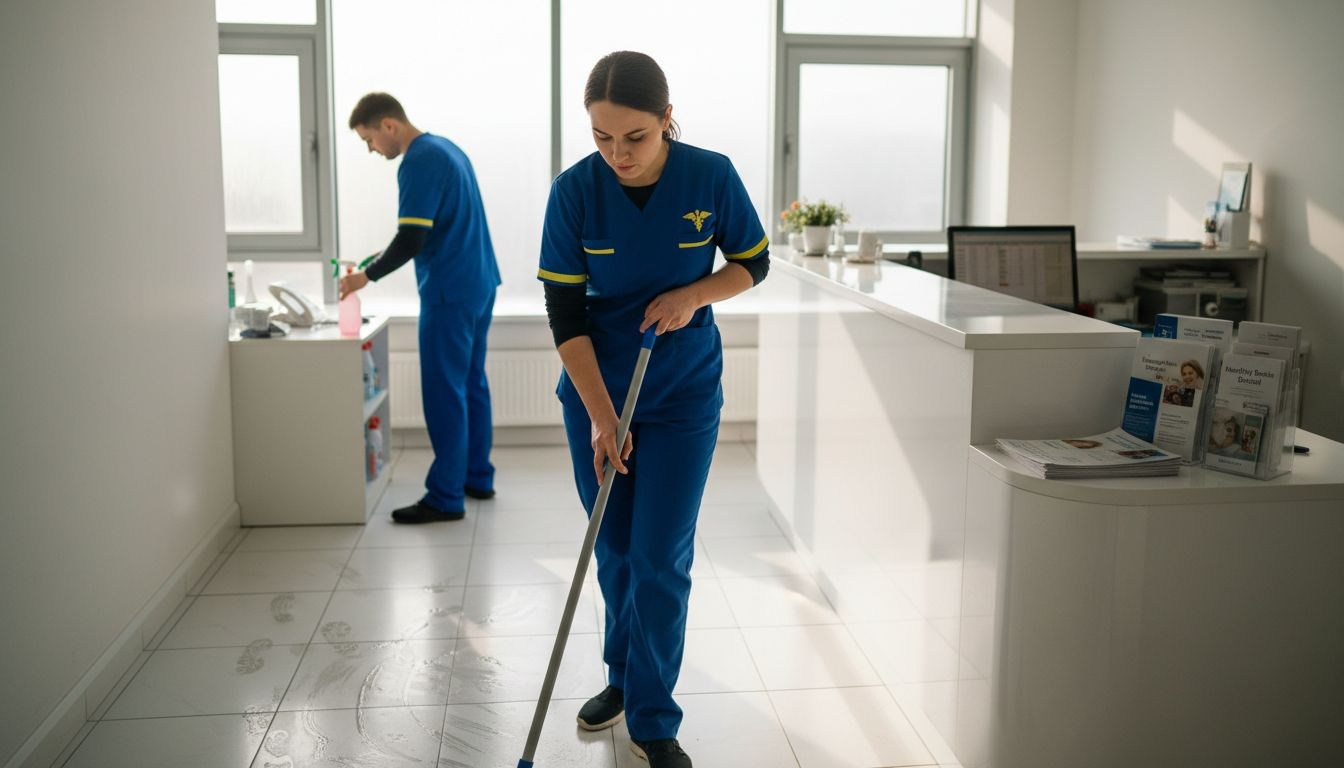
Most American dental offices risk losing patients if their hygiene standards fall short. In competitive areas like St. Augustine, Ponte Vedra, and Nocatee, a single slip in cleaning protocols can lead to health concerns and damage your reputation. With the American Dental Association setting detailed infection control rules, understanding the latest cleaning standards gives you the power to protect your staff and impress patients searching for a safe, trustworthy dental practice.
Table of Contents
Key Takeaways
Point | Details |
Importance of Cleaning Standards | Adhering to rigorous cleaning standards is crucial for patient and staff safety, focusing on infection control and disease prevention. |
Types of Cleaning | Dental offices require routine cleaning, disinfection, and sterilization to address various contamination risks effectively. |
Compliance Requirements | Regular staff training and comprehensive documentation of procedures are essential for maintaining compliance with infection control protocols. |
Risks and Costs | Failing to implement proper infection control can lead to significant financial, operational, and reputational risks for dental practices. |
Defining Dental Office Cleaning Standards
Dental office cleaning standards represent far more than routine maintenance; they are critical protocols designed to protect patient and staff health through rigorous infection prevention strategies. Infection control guidelines established by the Centers for Disease Control and Prevention (CDC) create comprehensive frameworks that dental practices must follow to ensure maximum safety.
These standards encompass multiple critical domains, including instrument sterilization, surface disinfection, personal protective equipment (PPE) usage, and environmental cleaning protocols. The American Dental Association (ADA) recommends detailed processes that go beyond basic cleaning, focusing on eliminating potential disease transmission pathways. Specific requirements include using EPA-registered disinfectants, implementing structured cleaning sequences for different zones within the dental office, and maintaining meticulous documentation of sterilization procedures.
Key cleaning standards for dental offices typically involve systematic approaches across several essential areas:
Sterilization of all surgical and dental instruments
Thorough disinfection of treatment surfaces between patient appointments
Regular deep cleaning of waiting areas, reception zones, and restrooms
Proper waste management for potentially infectious materials
Consistent maintenance of air quality and ventilation systems
Pro tip: Implement a color-coded cleaning system that helps staff quickly distinguish between different cleaning zones and potential contamination risks, enhancing overall infection control efficiency.
Types of Cleaning for Dental Offices
Dental offices require multiple specialized cleaning approaches designed to address different contamination risks and maintain optimal patient safety. These approaches range from routine surface cleaning to advanced sterilization techniques, each serving a unique purpose in preventing disease transmission and maintaining a hygienic clinical environment.
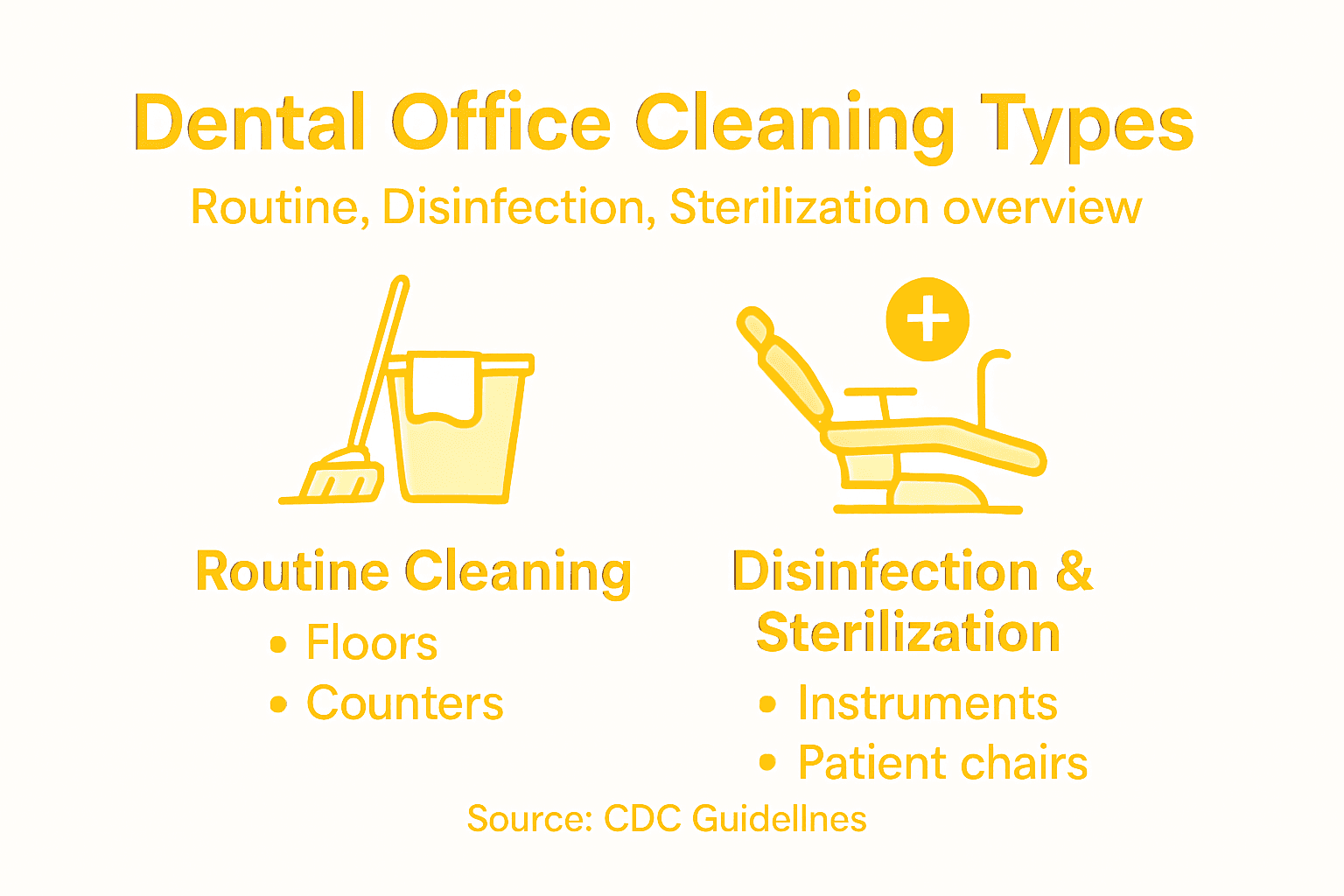
The primary types of cleaning in dental settings can be categorized into three distinct methods: routine cleaning, disinfection, and sterilization. Routine cleaning involves removing visible dirt and debris from surfaces using approved cleaning agents. Disinfection targets microorganisms on surfaces and equipment that do not penetrate sterile tissue, using EPA-registered chemical solutions. Sterilization represents the most rigorous cleaning process, completely eliminating all microbial life from surgical instruments and equipment that directly contact patients.
Each cleaning type follows specific protocols and requires different levels of protection:
Here’s a practical comparison of cleaning methods used in dental offices:
Cleaning Method | Typical Use Case | Impact on Infection Risk | Required Staff Training |
Routine Cleaning | Waiting rooms, floors | Moderate reduction | Basic hygiene instruction |
Disinfection | Treatment surfaces, tools | Significant reduction | Chemical safety essentials |
Sterilization | Surgical instruments | Maximal elimination | Advanced sterilization skills |
Terminal Cleaning | Between patient sessions | Comprehensive risk control | Full protocol understanding |
Routine Cleaning: Involves general surface maintenance
Intermediate-Level Disinfection: Targets surfaces with potential blood contact
High-Level Disinfection: Used for semi-critical medical equipment
Sterilization: Complete elimination of all microorganisms through heat or chemical processes
Terminal Cleaning: Comprehensive deep cleaning between patient sessions
Pro tip: Create a color-coded cleaning checklist that helps staff quickly identify the appropriate cleaning method for different surfaces and equipment, ensuring consistent and thorough infection control.
Key Protocols and Compliance Requirements
Dental practices must adhere to stringent infection prevention protocols that go far beyond basic cleaning standards. These comprehensive requirements encompass administrative policies, personnel training, equipment management, and detailed documentation processes designed to protect both patients and healthcare workers from potential infectious risks.
Compliance in dental settings involves multiple critical components. Healthcare providers must develop and maintain written infection control policies that outline specific procedures for sterilization, disinfection, and patient care. These policies must be regularly updated to reflect current scientific research and regulatory guidelines. Staff training is paramount, requiring continuous education on proper techniques, use of personal protective equipment, and understanding of transmission prevention strategies.
Key compliance requirements typically include:
Documented administrative infection control policies
Comprehensive staff training programs
Regular equipment maintenance and sterilization logs
Personal protective equipment (PPE) protocols
Patient screening and risk management procedures
Continuous monitoring and improvement of infection control practices
Detailed record-keeping and documentation systems
Adherence to local, state, and federal healthcare regulations
Pro tip: Develop a comprehensive digital tracking system that monitors staff training, equipment sterilization logs, and compliance updates to ensure real-time accountability and easy regulatory reporting.
Essential Tools and Approved Products
Dental practices require specialized medical-grade cleaning tools that meet rigorous safety and performance standards. These essential tools range from advanced sterilization equipment to specific disinfection agents designed to eliminate potential infectious agents while maintaining the integrity of sensitive medical instruments.
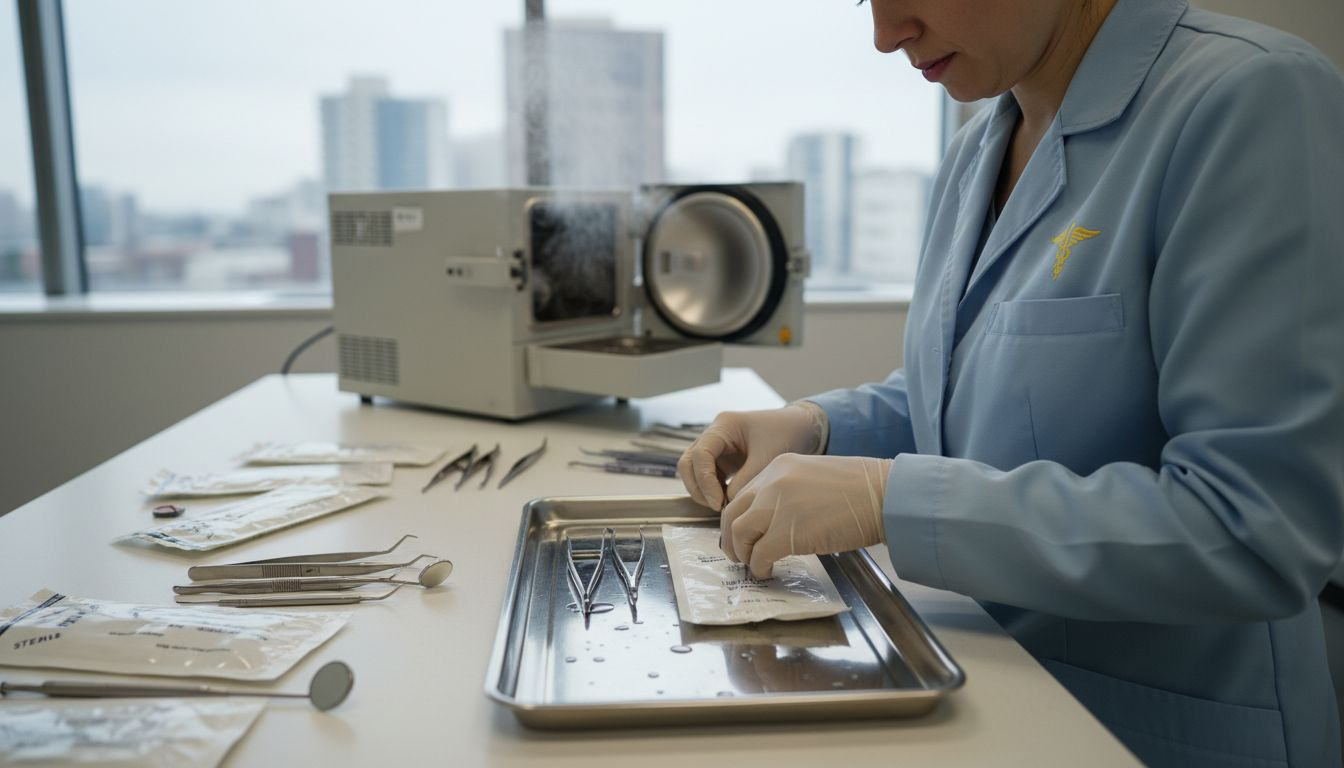
The selection of approved products involves careful consideration of multiple factors, including FDA approval, effectiveness against specific pathogens, compatibility with dental equipment, and compliance with healthcare regulations. Sterilization tools like autoclaves, ultrasonic cleaners, and high-temperature washers form the cornerstone of dental office infection control, working in conjunction with EPA-registered chemical disinfectants that target various microorganisms.
Key categories of essential tools and products include:
This overview highlights how essential cleaning tools contribute to practice safety:
Tool Type | Primary Function | Safety Enhancement | Long-Term Benefit |
Autoclave | Sterilizes instruments | Eliminates all microbes | Reduces infection risks |
EPA Disinfectant | Surface cleaning | Destroys harmful pathogens | Protects clinical zones |
Indicator Strips | Validates sterilization | Ensures process accuracy | Regulatory compliance |
Disposable PPE | Staff protection | Prevents direct exposure | Maintains trust and safety |
Sterilization Equipment
Autoclaves
Ultrasonic cleaning units
High-temperature washers
Disinfection Products
EPA-registered surface disinfectants
Instrument-specific cleaning solutions
Hand sanitization products
Protective Equipment
Medical-grade gloves
Disposable protective barriers
Masks and eye protection
Monitoring Tools
Sterilization indicator strips
Temperature and pressure gauges
Biological monitoring systems
Pro tip: Create a centralized inventory management system that tracks expiration dates, batch numbers, and compliance certifications for all cleaning tools and disinfection products to ensure consistent quality and regulatory adherence.
Risks, Costs, and Common Pitfalls
Dental practices face significant challenges when managing infection control risks, with potential consequences that extend far beyond immediate health concerns. Improper cleaning and sterilization protocols can lead to severe financial and legal repercussions, including potential patient lawsuits, regulatory penalties, and long-term damage to professional reputation.
The financial implications of infection control failures can be substantial. Direct costs include replacement of contaminated equipment, potential legal settlements, increased insurance premiums, and mandatory retraining of staff. Indirect costs involve patient trust erosion, negative publicity, and potential practice closure. Common pitfalls often stem from overlooked details such as inadequate staff training, inconsistent sterilization procedures, and failure to maintain comprehensive documentation of cleaning protocols.
Key risks and potential cost drivers include:
Patient Health Risks
Bloodborne pathogen transmission
Cross-contamination between patients
Potential serious infections
Financial Risks
Legal liability expenses
Regulatory fines
Equipment replacement costs
Potential practice closure
Reputation Risks
Loss of patient trust
Negative online reviews
Decreased patient referrals
Operational Risks
Staff retraining expenses
Compliance investigation costs
Potential professional license challenges
Pro tip: Conduct quarterly comprehensive risk assessments that include detailed audits of sterilization processes, staff training records, and equipment maintenance logs to proactively identify and mitigate potential compliance vulnerabilities.
Keep Your Dental Office Spotless and Safe with Expert Cleaning Solutions
Dental offices face unique challenges in maintaining strict infection control protocols that protect both patients and staff from harmful contamination. The key pain points such as rigorous surface disinfection, sterilization of dental instruments, and managing high-risk areas require precision and consistency. At My Lemon Maids, we understand that routine cleaning, disinfection, and deep cleaning are essential to support compliance with CDC-recommended dental office cleaning standards and reduce infection risks.
Ensure your dental practice maintains the highest levels of safety and professional appeal with our tailored commercial cleaning services. Our expert team uses medical-grade cleaning methods to complement your sterilization efforts so you never have to worry about overlooked surfaces or compliance gaps. Visit My Lemon Maids now to discover how we can help you achieve a spotless, healthy environment that protects your reputation and boosts patient confidence. Don’t wait until a cleaning misstep affects your practice — act today and secure flawless infection control with trusted cleaning professionals.
Frequently Asked Questions
What cleaning standards should dental offices follow?
Dental offices should adhere to infection control guidelines established by the Centers for Disease Control and Prevention (CDC), which include protocols for instrument sterilization, surface disinfection, personal protective equipment (PPE), and environmental cleaning to ensure patient and staff safety.
How can dental practices ensure proper sterilization of instruments?
Dental practices can ensure proper sterilization by using autoclaves and adhering to detailed sterilization protocols that include regular maintenance, documentation, and training of staff on sterilization techniques.
What is the difference between disinfection and sterilization in a dental setting?
Disinfection involves using EPA-registered chemical solutions to reduce the number of microorganisms on surfaces and equipment, while sterilization completely eliminates all microbial life from instruments that contact patients, making it a more rigorous cleaning process.
What tools are essential for maintaining cleanliness in a dental office?
Essential tools for maintaining cleanliness in a dental office include autoclaves for sterilization, EPA-registered disinfectants for surface cleaning, and personal protective equipment (PPE) such as gloves, masks, and protective barriers to ensure staff safety.
Recommended
Comments