Office Cleaning for Restaurants: Ensuring Safety and Compliance
- jeffwashausen
- Jan 19
- 7 min read

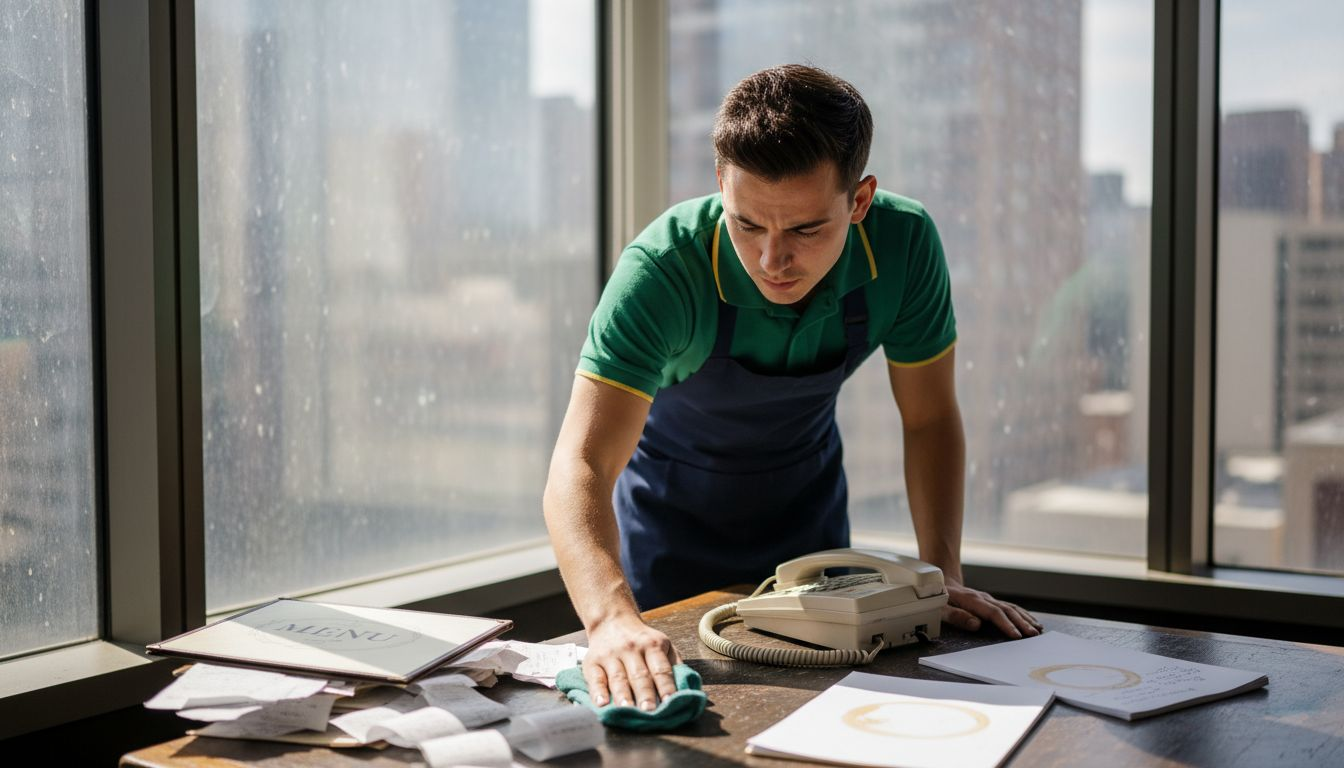
Most American restaurants lose thousands each year due to preventable hygiene issues in administrative spaces. For managers and owners in St. Augustine, Ponte Vedra, and Nocatee, maintaining spotless office areas is just as critical as keeping a kitchen clean. These workspaces demand specialized cleaning solutions tailored to strict food industry rules. Discover practical strategies that help you minimize risk, safeguard your reputation, and stay ahead of local health requirements.
Table of Contents
Key Takeaways
Point | Details |
Specialized Cleaning | Restaurant office cleaning requires unique protocols to maintain hygiene while complying with food safety standards. |
Structured Cleaning Procedures | Implementing a systematic seven-step process ensures thorough cleaning and sanitization of office spaces. |
Regulatory Compliance | Adhering to OSHA and FDA standards is essential to protect worker health and prevent legal liabilities. |
Risk Management | Proactive strategies to assess and mitigate cleaning-related risks can significantly reduce potential financial impacts on the business. |
Defining Office Cleaning in Restaurants
Office cleaning in restaurants represents a specialized approach to maintaining hygienic administrative spaces within food service establishments. Unlike standard office environments, restaurant office areas require unique cleaning protocols that address both professional workspace needs and strict food industry sanitation standards. These spaces typically include management offices, reservation areas, accounting zones, and employee administrative regions that demand rigorous cleaning standards.
The core objective of restaurant office cleaning involves eliminating potential contamination risks while maintaining a professional work environment. Restaurant office sanitation standards focus on reducing microbial presence on high-touch surfaces such as desks, computer equipment, telephones, and shared workstations. This process goes beyond traditional cleaning by incorporating food safety principles and preventing cross-contamination between administrative and food preparation areas.
Specifically, restaurant office cleaning encompasses several critical tasks that maintain workplace hygiene and regulatory compliance. These tasks include thorough surface disinfection, proper waste management, sanitizing electronic equipment, organizing document storage areas, and implementing systematic cleaning schedules that align with local health department guidelines. The goal is creating an environment that supports both administrative efficiency and stringent food safety requirements.
Pro tip: Implement a color-coded cleaning system to prevent cross-contamination between different workspace zones and maintain clear boundaries between administrative and food preparation areas.
Types of Cleaning Services Offered
Restaurant cleaning services encompass a comprehensive range of specialized approaches designed to meet the unique sanitation requirements of food service environments. Commercial cleaning standards identify multiple service types that address different aspects of restaurant maintenance, ranging from routine daily cleaning to intensive deep cleaning protocols. These services are meticulously crafted to ensure both aesthetic appearance and strict health compliance across various restaurant spaces.
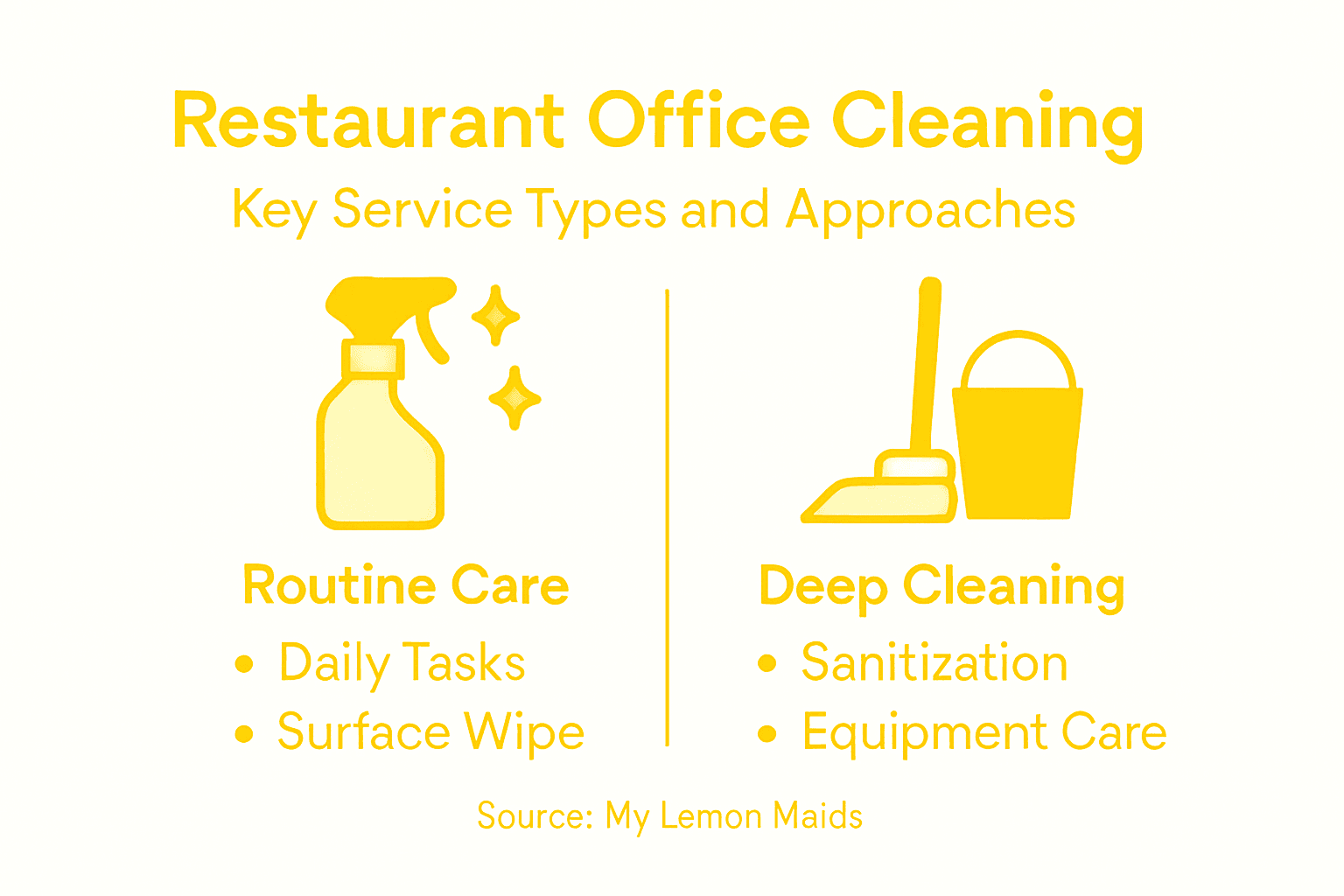
The primary cleaning service categories for restaurants include routine maintenance, deep cleaning, sanitization, and specialized surface treatments. Routine maintenance involves daily tasks such as surface wiping, trash removal, and quick sanitization of high-touch areas. Deep cleaning services go beyond surface-level maintenance, targeting hard-to-reach areas, equipment interiors, and comprehensive disinfection of entire office and food preparation zones. Food facility sanitization techniques distinguish between cleaning (removing visible soil) and sanitizing (reducing microbial presence), which is critical for maintaining food safety standards.
Specific cleaning services tailored for restaurant environments typically include administrative office cleaning, kitchen equipment sanitization, dining area maintenance, restroom deep cleaning, and waste management protocols. These services require specialized equipment, industry-specific cleaning agents, and technicians trained in food service hygiene regulations. The complexity of restaurant cleaning demands a multi-layered approach that addresses different zones with precise, targeted cleaning strategies that prevent cross-contamination and support overall workplace safety.
Here’s a comparison of routine maintenance, deep cleaning, and sanitization in restaurant office environments:
Aspect | Routine Maintenance | Deep Cleaning | Sanitization |
Frequency | Daily | Weekly or monthly | Daily and as needed |
Focus Areas | High-touch surfaces | Equipment, hidden zones | Food-contact surfaces |
Cleaning Agents | General cleaners | Heavy-duty disinfectants | Sanitizers, EPA-approved |
Business Impact | Maintains appearance | Reduces hidden risks | Prevents foodborne illness |
Pro tip: Develop a color-coded cleaning system with specific microfiber cloths and cleaning tools designated for different restaurant areas to prevent potential cross-contamination and enhance overall cleaning efficiency.
Key Procedures and Best Practices
Restaurant office cleaning demands a systematic and rigorous approach that goes beyond standard commercial cleaning protocols. Food hygiene management procedures emphasize the critical importance of developing comprehensive cleaning strategies that minimize contamination risks and align with stringent food safety regulations. These procedures require meticulous planning, consistent implementation, and ongoing staff training to ensure optimal workplace hygiene.
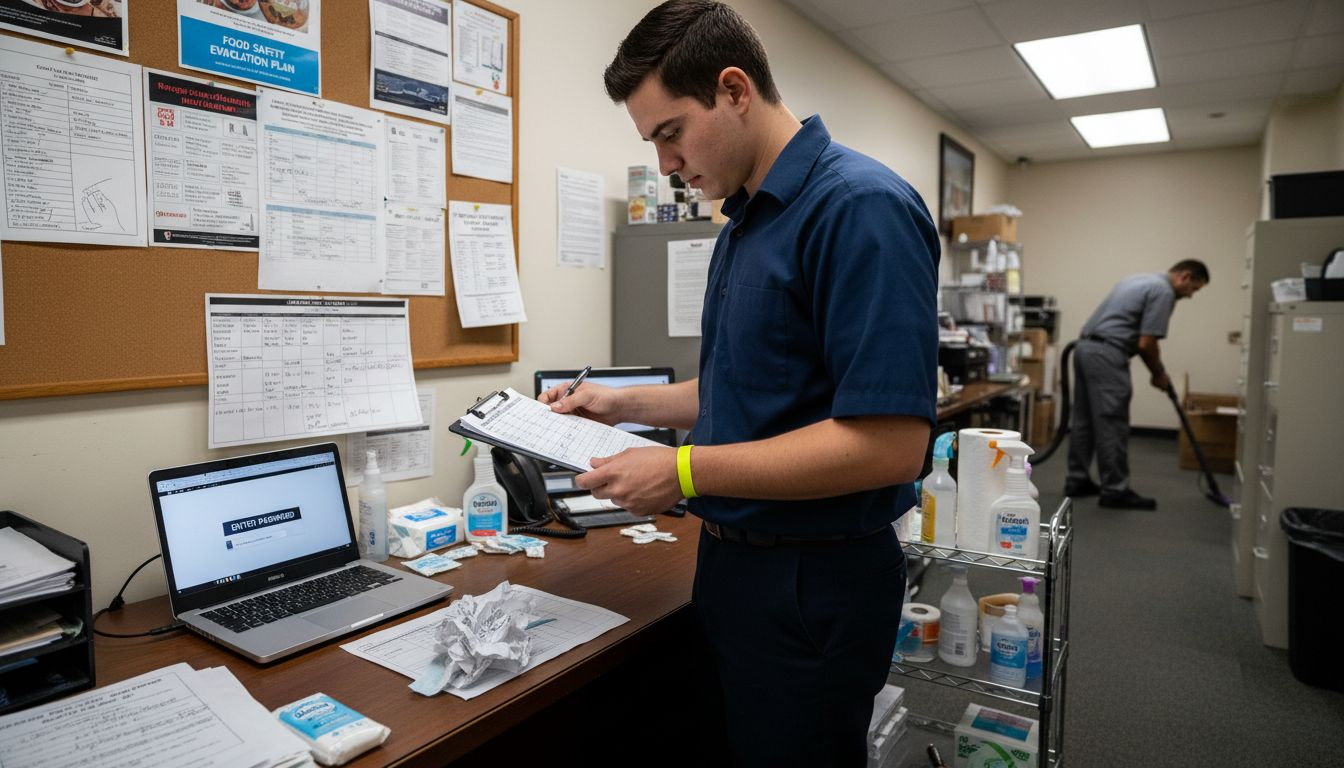
The core cleaning procedures for restaurant offices typically involve a structured seven-step process that addresses thorough sanitization and risk mitigation. These steps include initial debris removal, applying appropriate cleaning agents, thorough rinsing, targeted sanitization, comprehensive disinfection, proper drying, and final surface inspection. Food facility sanitization techniques highlight the distinction between cleaning (removing visible contaminants) and sanitizing (reducing microbial populations), which is crucial for maintaining safe administrative environments in food service establishments.
Implementing best practices requires a multifaceted approach that combines specialized equipment, industry-approved cleaning agents, and staff training. Restaurant managers should establish clear cleaning protocols that specify exact procedures for different office areas, including computer workstations, shared meeting spaces, document storage zones, and high-touch surfaces. These protocols must incorporate detailed checklists, regular quality inspections, and documented cleaning schedules that demonstrate compliance with local health department regulations and internal safety standards.
Pro tip: Create a digital cleaning log with time-stamped entries and photographic evidence to track and verify the thoroughness of your office cleaning procedures.
Legal Standards and Regulatory Compliance
Restaurant office cleaning operates within a complex legal framework that demands strict adherence to multiple regulatory standards designed to protect worker safety and public health. OSHA cleaning industry standards establish comprehensive guidelines covering chemical exposures, equipment safety, protective gear requirements, and sanitation protocols specific to commercial cleaning environments. These regulations create a mandatory baseline for operational practices, ensuring that cleaning procedures minimize potential workplace hazards and maintain consistent safety benchmarks.
The Food and Drug Administration (FDA) provides additional critical guidance through its Food Code, which establishes detailed sanitation standard operating procedures (SSOPs) for food service establishments. FDA food safety guidelines outline specific requirements for cleaning and sanitizing food contact surfaces, preventing cross-contamination, managing employee hygiene practices, and implementing systematic monitoring protocols. These regulations go beyond surface-level cleaning, requiring documented evidence of consistent compliance and proactive risk management strategies.
Compliance with legal standards involves multiple layers of documentation, training, and ongoing verification. Restaurant managers must develop comprehensive cleaning protocols that not only meet but exceed regulatory requirements, including maintaining detailed cleaning logs, conducting regular staff training sessions, implementing rigorous quality control measures, and ensuring all cleaning agents and methods align with current health department regulations. This multifaceted approach demonstrates a commitment to workplace safety, public health protection, and operational excellence in food service environments.
The following table summarizes key regulatory obligations and their impact on restaurant office cleaning:
Regulatory Body | Main Requirement | Business Implication |
OSHA | Chemical safety protocols | Protects worker health |
FDA | Food safety cleaning standards | Ensures sanitation of surfaces |
Health Dept. | Documented cleaning logs | Demonstrates compliance |
Insurance | Risk assessment documentation | Reduces liability exposure |
Pro tip: Develop a digital compliance tracking system that automatically logs cleaning activities, generates compliance reports, and alerts management to potential regulatory gaps.
Risks, Liabilities, and Cost Implications
Restaurant office cleaning involves complex financial and legal risks that extend far beyond basic maintenance expenses. Cost of quality analysis demonstrates that inadequate cleaning practices can generate substantial hidden costs through potential health violations, legal liabilities, and operational disruptions. These expenses encompass prevention costs, failure mitigation, potential regulatory fines, and potential reputation damage that can significantly impact a restaurant’s financial stability.
Comprehensive risk management requires restaurants to develop proactive strategies that identify and mitigate potential cleaning-related hazards. Workplace risk assessments help restaurants systematically evaluate potential risks associated with cleaning chemicals, cross-contamination possibilities, equipment handling, and employee safety protocols. These assessments provide a structured approach to understanding potential financial exposures and implementing preventative measures that reduce liability and protect the business’s long-term economic interests.
The financial implications of cleaning risks extend beyond immediate repair or replacement costs. Restaurants must consider potential expenses related to health department citations, legal settlements, insurance premium increases, lost revenue during potential shutdowns, and long-term reputation damage. Implementing robust cleaning protocols, maintaining detailed documentation, and investing in comprehensive staff training represent critical strategies for minimizing these substantial financial risks and protecting the restaurant’s operational continuity.
Pro tip: Develop a comprehensive risk management spreadsheet that tracks potential cleaning-related expenses, documents mitigation strategies, and calculates potential financial impacts of different cleaning scenarios.
Keep Your Restaurant Office Spotless and Compliant with Expert Cleaning Solutions
The challenge of maintaining spotless restaurant office spaces while meeting strict food safety and OSHA standards can feel overwhelming. Between managing daily administrative tasks and ensuring cross-contamination prevention, performing specialized cleaning with color-coded systems, and keeping thorough documented logs, it is easy to feel the pressure of regulatory compliance and risk management. You need reliable professional help that understands the unique sanitation protocols and legal requirements for restaurant offices.
Take control of restaurant hygiene today with our Expert Office Cleaning Services. At My Lemon Maids, we specialize in deep cleaning, thorough sanitization, and consistent maintenance tailored to restaurant environments. Benefit from trained professionals who use EPA-approved disinfectants and follow best practices to keep your workspace healthy, reduce liabilities, and protect your business reputation. Don’t wait for costly violations or risks to arise. Visit us at My Lemon Maids now and schedule a cleaning plan that supports your compliance and peace of mind.
Frequently Asked Questions
What are the key tasks involved in office cleaning for restaurants?
Office cleaning in restaurants involves several critical tasks, including thorough surface disinfection, proper waste management, sanitizing electronic equipment, organizing document storage areas, and maintaining cleaning schedules that comply with local health department guidelines.
How often should restaurant offices undergo deep cleaning compared to routine maintenance?
Routine maintenance should be performed daily to keep high-touch surfaces clean, while deep cleaning should occur weekly or monthly to target hard-to-reach areas and ensure comprehensive sanitization in both office and food preparation zones.
What cleaning agents are effective for restaurant office sanitization?
Effective cleaning agents for restaurant office sanitization include EPA-approved sanitizers, heavy-duty disinfectants for deep cleaning, and general-purpose cleaners for routine maintenance to ensure both cleanliness and safety.
What are the legal standards that restaurant office cleaning must adhere to?
Restaurant office cleaning must comply with regulations set by OSHA for worker safety, FDA standards for food contact surface sanitation, and local health department guidelines, which necessitate maintaining documented cleaning logs and consistent staff training.
Recommended
Comments