Deep cleaning checklist by room for St. Augustine homes
- Glenn Brosnick
- Mar 23
- 8 min read
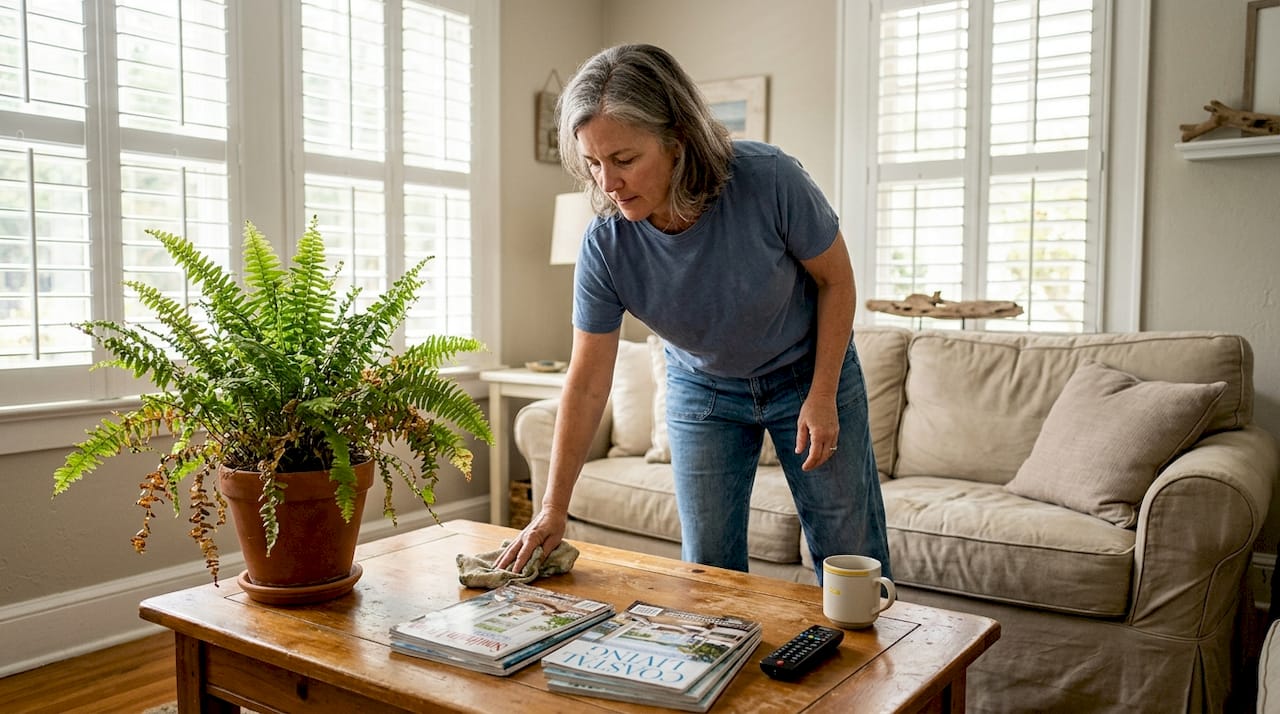
Coastal Florida’s humidity levels hover around 75% year-round, accelerating grime, mildew, and salt buildup in St. Augustine area homes at nearly twice the rate of drier climates. This moisture-rich environment demands more than surface cleaning. A systematic, room-by-room deep cleaning approach tailored to these unique challenges protects your investment, improves indoor air quality, and prevents costly damage from mold and corrosion. This comprehensive checklist guides you through every space, ensuring nothing gets overlooked in your coastal property.
Table of Contents
Key Takeaways
Point | Details |
Room by room method | A structured top to bottom cleaning sequence prevents recontamination and keeps debris from landing on areas not yet cleaned as you move through each room. |
Humidity drives mold risk | Coastal humidity around 75 percent accelerates mold growth and salt buildup, making regular deep cleans essential. |
Kitchens require quarterly deep cleans | Deep cleaning the kitchen every two to three months targets grease, bacteria, and food residue to prevent pest attraction in humid climates. |
Microfiber and HEPA tools | Stock microfiber cloths, HEPA vacuums, and eco friendly cleaners to improve efficiency and limit recontamination across rooms. |
The top-to-bottom, room-by-room deep cleaning method
Successful deep cleaning follows a specific sequence that prevents wasted effort and ensures thorough results. Working from ceiling to floor keeps debris falling onto surfaces you haven’t cleaned yet, eliminating the frustration of re-cleaning areas. This systematic approach also helps you track progress and maintain momentum through what can feel like an overwhelming task.
Start every room by removing clutter and items that don’t belong. This single step immediately makes spaces feel more manageable and reveals hidden dirt accumulation. Next, dust ceiling fans, light fixtures, and upper shelves before moving to mid-level surfaces like furniture tops and windowsills. Finally, tackle floors through vacuuming, mopping, or shampooing.
The right tools transform cleaning efficiency. Stock microfiber cloths that trap particles rather than spreading them, HEPA-filter vacuums that capture allergens, all-purpose cleaners for versatility, degreasers for kitchen challenges, disinfectants for bathrooms, scrub brushes with varied stiffness, and quality mops. Eco-conscious households can substitute vinegar, baking soda, and castile soap for commercial products without sacrificing effectiveness.
Pro Tip: Microfiber cloths used dry capture dust through static electricity, while damp cloths dissolve sticky residues. Keep separate colors for different rooms to prevent cross-contamination between kitchens and bathrooms.
Breaking your home into manageable sections prevents burnout and creates visible progress markers. Complete one room before starting another, giving yourself psychological wins that fuel continued effort. This step-by-step deep cleaning guide provides additional strategies for maintaining consistency across larger properties or rental units.
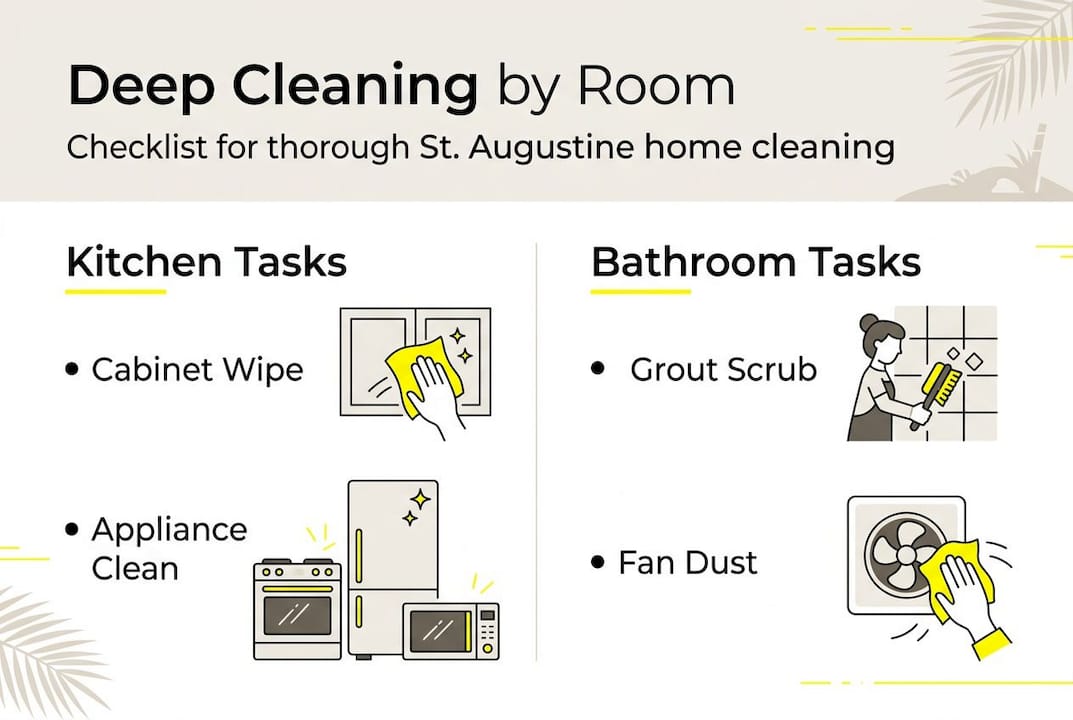
Deep cleaning your kitchen: tackling grease and germs
Kitchens accumulate grease, bacteria, and food particles faster than any other room. Deep cleaning every 2-3 months prevents buildup that attracts pests and creates health hazards, particularly important in humid climates where bacteria multiply rapidly.
Follow this sequence for comprehensive kitchen cleaning:
Empty and wipe all cabinets inside and out, removing shelf liners to clean underneath
Degrease cabinet fronts with appropriate cleaners, paying special attention to handles and areas near the stove
Deep clean the oven using self-clean mode or commercial oven cleaner, removing racks to scrub separately
Clean refrigerator interior by removing all shelves and drawers, washing with warm soapy water
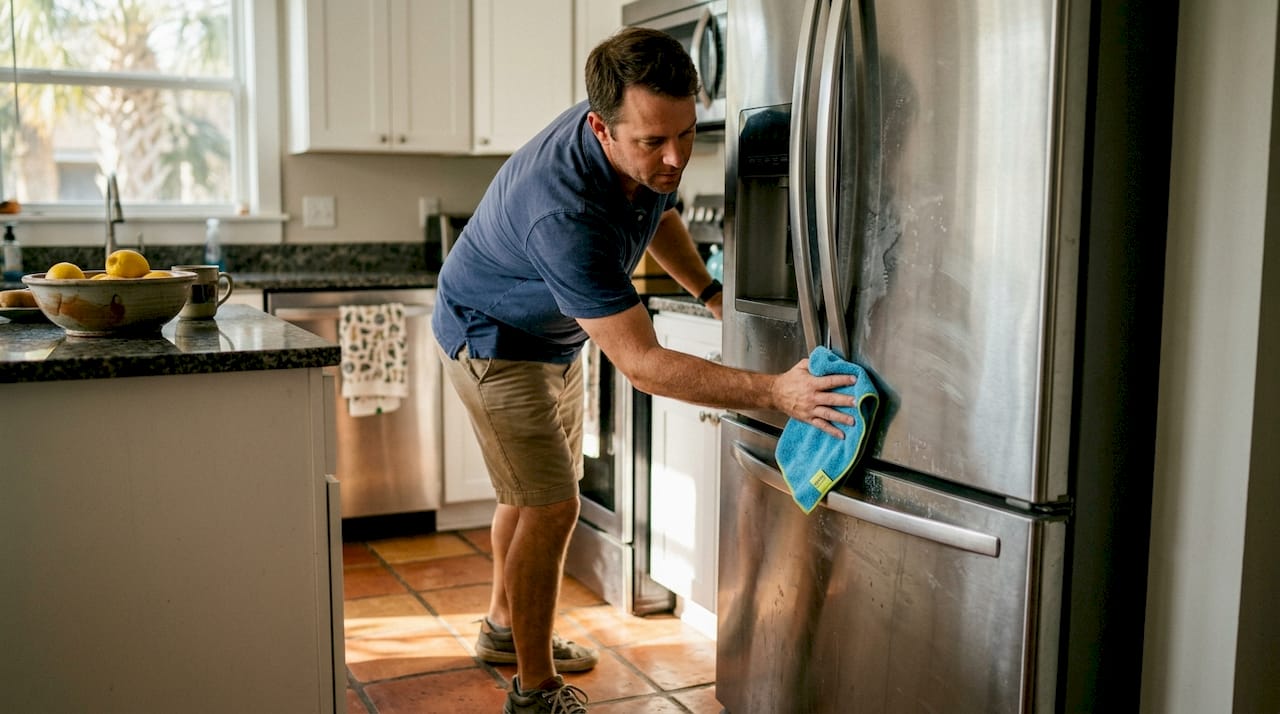
Wipe refrigerator exterior and vacuum condenser coils underneath or behind the unit
Scrub microwave interior with steam-softened residue, then clean exterior surfaces
Descale coffee makers and small appliances according to manufacturer guidelines
Clean sink thoroughly, including disposal and drain, using baking soda and vinegar for natural deodorizing
Scrub backsplash tiles and grout with appropriate cleaners
Organize pantry by checking expiration dates, wiping shelves, and consolidating items
Sweep and mop floors, moving appliances to clean underneath
Task | Frequency | Priority Level | Time Required |
Cabinet cleaning | Quarterly | High | 45-60 min |
Appliance deep clean | Every 2-3 months | Critical | 90-120 min |
Grout scrubbing | Quarterly | Medium | 30-45 min |
Pantry organization | Monthly | Medium | 20-30 min |
Pro Tip: Pull refrigerators away from walls annually to vacuum condenser coils. This simple task improves energy efficiency by up to 25% and extends appliance lifespan significantly.
St. Augustine’s salt air accelerates corrosion on metal fixtures and appliances. Wipe stainless steel surfaces with the grain using specialized cleaners to prevent streaking and protect finishes. For commercial kitchens or rental properties, this commercial cleaning checklist 2026 adapts these principles to higher-traffic environments requiring more frequent attention.
Bathroom deep cleaning checklist: combatting moisture and mildew
Bathrooms face constant moisture exposure, creating ideal conditions for mold, mildew, and bacteria growth. Thorough disinfecting and descaling protect both health and surfaces from permanent damage.
Complete these critical bathroom tasks during each deep clean:
Scrub tile and grout with specialized cleaners or a bleach solution, using a stiff brush for stubborn stains
Descale showerheads by soaking in vinegar overnight, then scrubbing mineral deposits
Clean faucet aerators by unscrewing and soaking in vinegar to restore water flow
Disinfect toilet thoroughly, including under the rim, around the base, and behind the bowl
Remove and wash shower curtains or wipe down glass doors with appropriate cleaners
Clean exhaust fan covers and vacuum interior components to maintain proper ventilation
Wipe down all cabinets and drawers inside and out, organizing products and discarding expired items
Clean mirrors and light fixtures with streak-free glass cleaner
Scrub sink and countertops, paying attention to areas around faucet bases where grime accumulates
Wash bathmats and replace worn items that harbor moisture
Sweep and mop floors, including behind toilets and under vanities
Coastal humidity makes Florida bathrooms particularly vulnerable to mildew. Check caulking around tubs and showers for gaps or discoloration indicating mold growth beneath the surface. Replace deteriorated caulk immediately to prevent water damage to walls and subfloors.
Ventilation proves critical in moisture management. Run exhaust fans during showers and for 20 minutes afterward. Clean fan covers quarterly to maintain airflow efficiency. If bathrooms lack windows or fans, consider installing them to reduce humidity levels that fuel microbial growth.
This residential cleaning checklist 2026 provides maintenance schedules coordinating bathroom deep cleans with other household tasks for optimal efficiency.
Living and dining room deep cleaning: managing dust and allergens
High-traffic living areas accumulate dust and allergens that affect respiratory health and overall comfort. Regular deep cleaning removes particles that regular vacuuming misses.
Systematically address these tasks:
Dust ceiling fans, light fixtures, and crown molding using extension tools
Wipe electronics, remotes, and gaming controllers with appropriate cleaners
Clean lamp shades by vacuuming with brush attachments or wiping based on material
Vacuum upholstery thoroughly, including under cushions where crumbs and debris collect
Shampoo fabric furniture to remove embedded dirt and refresh appearance
Move furniture to vacuum and clean carpets underneath
Clean area rugs according to material specifications, either shampooing or professional cleaning
Wash windows inside and out, including tracks and sills
Clean or launder curtains and blinds based on fabric type
Dust and wipe baseboards, door frames, and wall trim
Spot clean walls to remove fingerprints, scuffs, and marks
Vacuum or dust decorative items, books, and shelving
Method | Best For | Frequency | Results |
Vacuuming | Regular maintenance, surface debris | Weekly | Removes loose particles |
Shampooing | Deep stain removal, odor elimination | Quarterly | Extracts embedded dirt, refreshes fibers |
Pro Tip: Blinds and curtains trap surprising amounts of dust and allergens. Vacuum blinds weekly with brush attachments, and launder or dry clean curtains quarterly to reduce respiratory irritation.
Leather furniture requires different care than fabric. Wipe with slightly damp cloths and condition every six months to prevent cracking in Florida’s humidity fluctuations. For detailed fabric care, clean fabric sofa for stains offers specialized techniques.
St. Augustine homes benefit from understanding deep cleaning explained St. Augustine, which addresses region-specific challenges like salt air damage to window treatments and coastal dust composition.
Laundry room checklist: odor prevention and safety
Laundry rooms often get neglected during cleaning routines, yet they require attention to prevent odors, mold, and fire hazards. Regular maintenance keeps these functional spaces safe and efficient.
Complete these essential tasks:
Clean washing machine interior by running an empty hot cycle with washing machine cleaner or vinegar
Wipe washing machine door gasket and dispensers where residue and mold accumulate
Clean dryer interior with damp cloth to remove lint and residue
Empty and thoroughly clean lint trap after every load
Vacuum dryer vent hose and exterior vent cover quarterly to prevent fire risks
Wipe down washer and dryer exteriors, including control panels
Clean shelves, countertops, and storage areas
Organize cleaning supplies and laundry products
Sweep and mop floors, including behind and beside machines
Check hoses for cracks or wear, replacing as needed
Florida’s humidity creates perfect conditions for mold growth in laundry rooms. Leave washer doors open between loads to allow interior drying. If musty odors persist despite cleaning, check drain hoses for standing water or clogs that harbor bacteria.
Lint accumulation causes approximately 2,900 dryer fires annually nationwide. Clean lint traps before every load and vacuum the entire vent system at least twice yearly. Consider professional vent cleaning if your dryer takes multiple cycles to dry clothes, indicating restricted airflow.
For properties with multiple units or commercial laundry facilities, these best cleaning tips for apartments scale maintenance protocols appropriately.
Professional deep cleaning services in St. Augustine and surrounding areas
Maintaining the detailed checklists outlined above requires significant time and specialized knowledge, particularly for coastal properties facing unique environmental challenges. My Lemon Maids brings expert deep cleaning services to St. Augustine, Ponte Vedra, and Nocatee, addressing everything from humidity-related mold to salt air corrosion with professional-grade equipment and eco-friendly solutions.

Our comprehensive St. Augustine home cleaning services include standard maintenance, specialized deep cleaning services info, Airbnb turnovers, office cleaning, post-construction cleanup, window washing, and pressure washing. We understand that coastal living demands more frequent attention to prevent long-term damage. Beyond cleaning, our handyman maintenance services handle repairs and improvements that keep your property functioning optimally year-round, from caulk replacement to ventilation improvements that combat moisture issues.
Frequently asked questions
How often should I deep clean each room in a humid coastal climate?
Kitchens and bathrooms need deep cleaning every 2-3 months due to grease, moisture, and bacterial accumulation. Whole-home deep cleaning should occur quarterly in Florida to combat mold and mildew growth accelerated by humidity. Homes with pets, children, or allergy sufferers benefit from increasing frequency to every three months across all rooms.
What are the must-have cleaning supplies for effective deep cleaning?
Microfiber cloths trap dust particles through static electricity rather than just moving them around surfaces. HEPA-filter vacuums capture allergens that standard vacuums recirculate into the air. Stock all-purpose cleaners for versatility, degreasers for kitchens, disinfectants for bathrooms, scrub brushes in various stiffness levels, and quality mops. Eco-friendly alternatives include white vinegar for descaling, baking soda for scrubbing, and castile soap for general cleaning. These deep cleaning products and tools provide detailed recommendations for coastal environments.
How does deep cleaning differ from standard cleaning?
Standard cleaning covers surface-level tasks performed weekly or biweekly, including vacuuming, dusting visible areas, wiping counters, and cleaning bathrooms superficially. Deep cleaning tackles less frequent, more intensive tasks like appliance interiors, grout scrubbing, baseboard washing, and moving furniture to clean underneath. Professional deep cleaning reduces bioburden levels significantly by addressing areas regular cleaning misses. Understanding standard vs deep cleaning differences helps homeowners schedule appropriate services for their needs.
Can professional deep cleaning services help maintain healthier homes in humid climates?
Professional services reduce bioburden by up to 95%, critical in humidity-prone regions where mold, mildew, and bacteria thrive. Professionals use commercial-grade HEPA vacuums, specialized antimicrobial treatments, and proven techniques that achieve results beyond typical homeowner capabilities. Scheduled professional deep cleaning services maintain consistent hygiene standards, particularly valuable for busy homeowners, property managers overseeing multiple units, or anyone with respiratory sensitivities requiring optimal air quality.
Recommended
Comments