Deep Cleaning: Elevating Hygiene for Better Living
- support760146
- Feb 26
- 11 min read
A quick vacuum and wipe-down often miss the hidden buildup lurking in your St. Augustine or Ponte Vedra property. For homeowners and property managers, this unseen grime can affect property value, guest satisfaction, and family health. Deep cleaning reaches embedded dirt and pathogens that standard routines leave behind, combining mechanical scrubbing with specialized chemical action for true hygiene and peace of mind. Discover how this two-part process transforms homes and rental spaces for maximum cleanliness and comfort.
Table of Contents
Key Takeaways
Point | Details |
Deep Cleaning vs. Standard Cleaning | Deep cleaning targets hidden dirt and pathogens, while standard cleaning focuses on visible surfaces. Understanding this distinction helps determine the appropriate service for your property needs. |
Health Benefits | Regular deep cleaning significantly reduces allergens and pathogens, promoting a healthier living environment for residents and guests. |
Property Value Protection | Deep cleaning prevents long-term damage by reducing mold and pest risks, thus preserving the integrity and value of your property. |
Scheduling Recommendations | For optimal hygiene, schedule deep cleaning quarterly for homes and after every guest checkout for short-term rentals to maintain high cleanliness standards. |
What Deep Cleaning Involves and How It Works
Deep cleaning goes beyond your weekly vacuum and surface wipe. It targets the hidden dirt, grime, and contaminants that regular cleaning leaves behind in your St. Augustine or Ponte Vedra home.
Unlike standard cleaning that addresses visible surfaces, deep cleaning tackles embedded soil in grout lines, baseboards, ceiling fans, and behind appliances. This approach combines both mechanical scrubbing and chemical action with surfactants to lift dirt that water alone cannot remove.
The Two-Part Process
Deep cleaning operates on a dual-action system that makes it uniquely effective for residential and short-term rental properties.
Mechanical Action
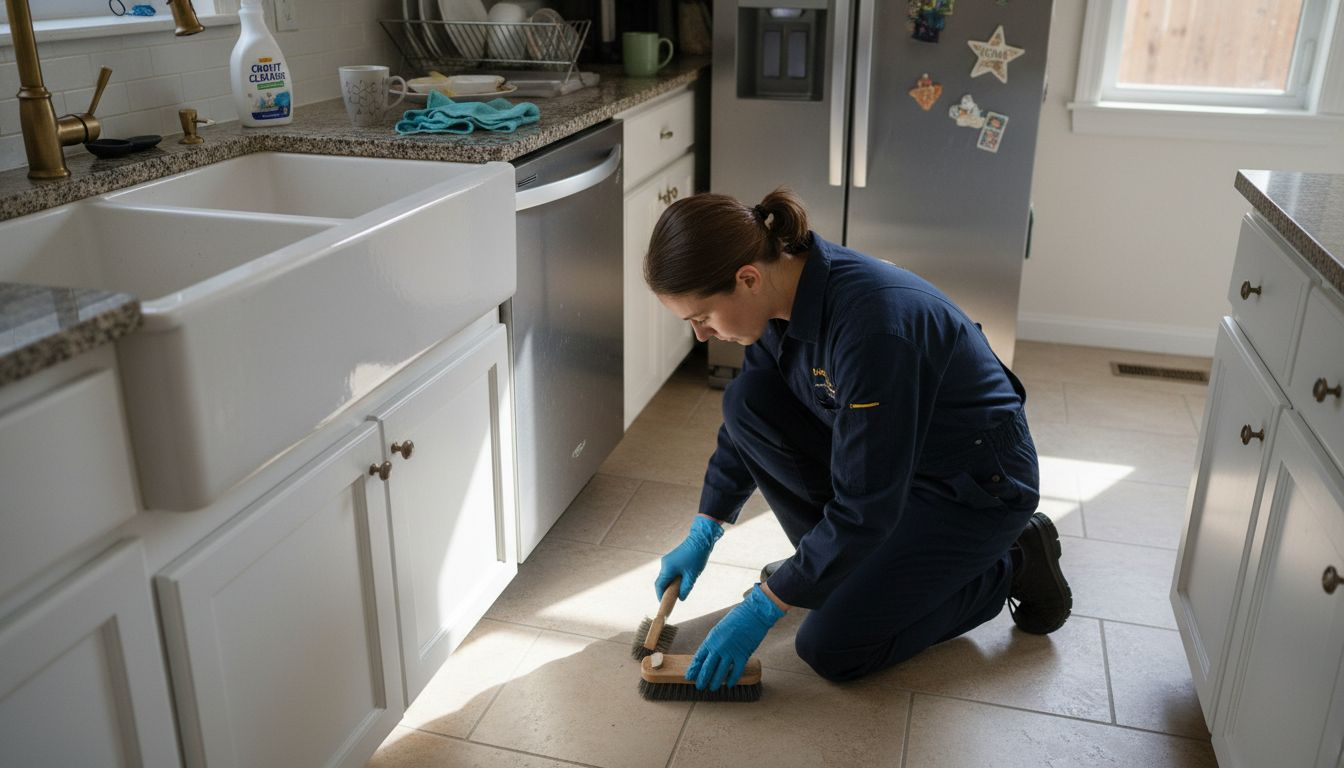
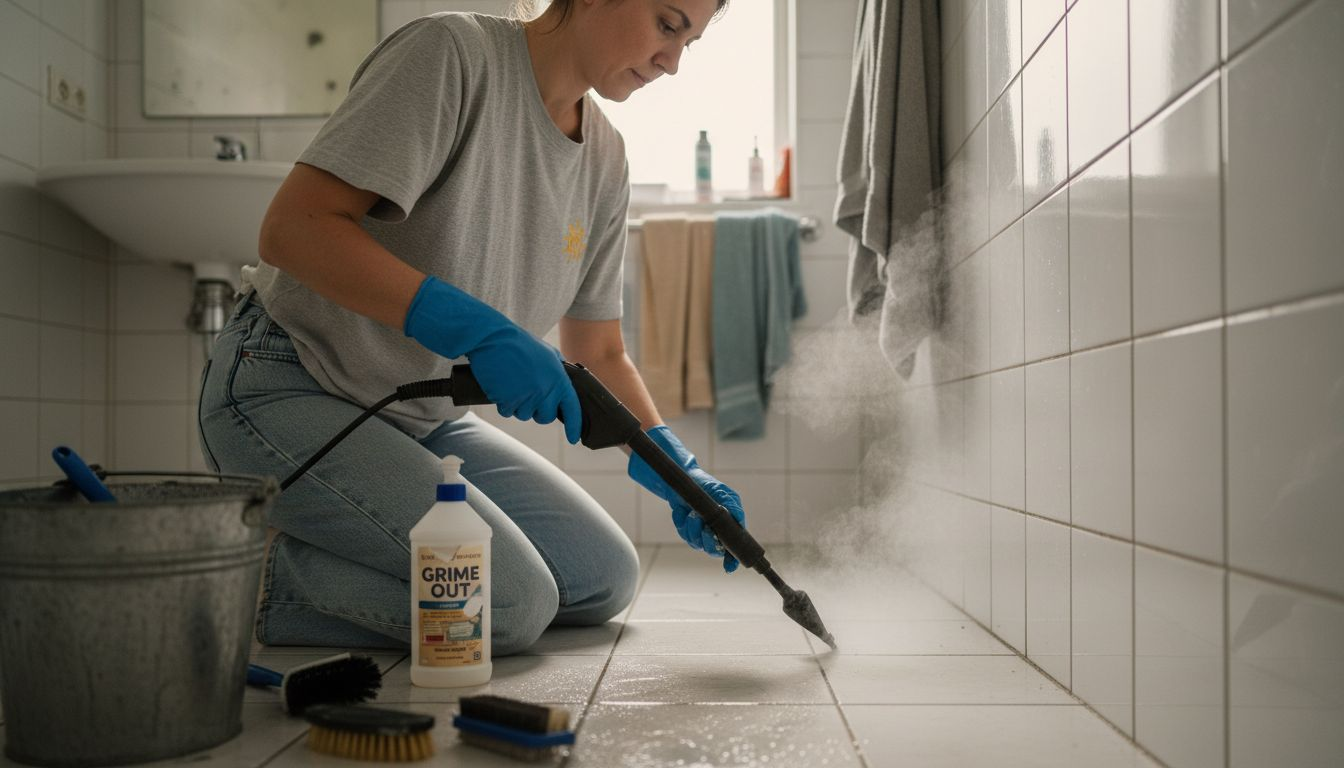
This involves physical agitation and scrubbing. Your cleaning team uses brushes, grout tools, and steam equipment to physically dislodge dirt from surfaces. Think of it as loosening stubborn grime so it can be removed.
Chemical Action
Surfactants in cleaning products reduce water’s surface tension, allowing solutions to penetrate and break down grease and oils. This chemical lift works at the microscopic level, pulling contaminants away from surfaces where they’ve bonded over time.
What Gets Deep Cleaned
Deep cleaning addresses areas that standard cleaning typically skips:
Kitchen: Inside oven, behind refrigerator, under sink cabinets, grout between tiles
Bathrooms: Tile grout, shower walls, behind toilets, exhaust vents
Bedrooms: Under furniture, ceiling fans, light fixtures, baseboards
Living areas: Blinds and window sills, door frames, built-in shelving
Flooring: Grout lines, baseboards, under furniture
Trained Personnel and Protocols
Proper deep cleaning requires trained staff who understand risk assessment and standardized cleaning procedures to remove pathogens from high-touch surfaces. This is especially critical for Airbnb and vacation rental properties where guest turnover demands thorough sanitation.
Our team follows established protocols that ensure consistent, comprehensive results across every room. We assess which areas need attention based on usage patterns and condition.
Deep cleaning transforms spaces that regular cleaning can’t reach, providing thorough hygiene that guests and family members notice immediately.
The Timeline Difference
Standard cleaning typically takes 2-3 hours for a three-bedroom home. Deep cleaning requires 5-8 hours depending on size and current condition. The extended time reflects the thoroughness required to address overlooked areas and embedded contaminants.
For short-term rental properties, scheduling deep cleaning between guest stays ensures maximum cleanliness and reduces liability concerns related to sanitation standards.
Pro tip: Schedule deep cleaning quarterly for residential properties and after every guest checkout for Airbnb rentals to maintain hygiene standards and protect your property investment.
Deep Cleaning vs. Standard Cleaning Explained
Standard cleaning and deep cleaning serve different purposes. Understanding the distinction helps you choose the right service for your St. Augustine or Ponte Vedra home or rental property.
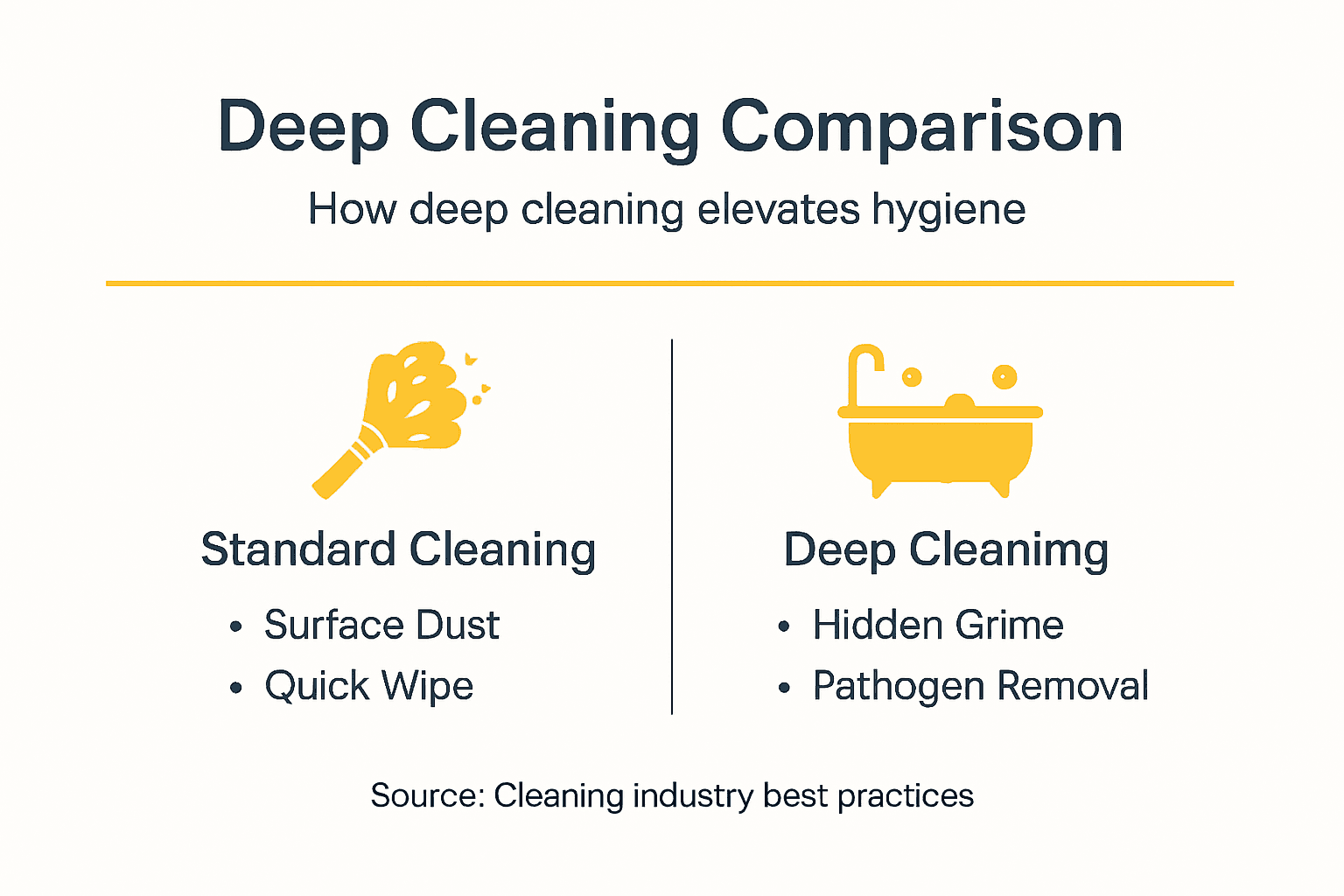
Standard cleaning addresses visible dirt through dusting, vacuuming, and wiping surfaces. Deep cleaning goes further, targeting embedded grime, disinfecting high-touch areas, and cleaning spaces that regular maintenance overlooks.
The Core Differences
Think of standard cleaning as maintenance and deep cleaning as restoration. One keeps things tidy week to week; the other transforms spaces that have accumulated hidden contamination.
Standard Cleaning Focuses On:
Vacuuming visible floor surfaces
Dusting furniture and shelves
Wiping down countertops and tables
Cleaning mirrors and windows
Emptying trash and straightening items
Deep Cleaning Targets:
Scrubbing grout between tiles
Cleaning inside ovens and refrigerators
Disinfecting doorknobs and light switches
Washing baseboards and trim
Cleaning behind and under furniture
Time and Intensity Comparison
Standard cleaning typically requires 2-3 hours for a three-bedroom home. Deep cleaning takes 5-8 hours depending on the property’s condition and size. The extended time reflects the detailed work required for thorough systematic cleaning that addresses harder-to-reach areas.
Sanitation and Safety Standards
Both approaches remove dirt, but they differ significantly in pathogen elimination. Standard cleaning generally reduces microbial contamination on visible surfaces. Deep cleaning employs rigorous methods targeting high-risk areas with intensive processes designed to eliminate pathogens and maintain sanitation standards.
For Airbnb and vacation rental properties, this distinction matters considerably. Guests expect surfaces they touch frequently to be thoroughly disinfected, not just wiped clean.
Deep cleaning eliminates pathogens from high-touch surfaces that standard cleaning misses, creating genuinely safe environments for families and guests.
Cost Considerations
Standard cleaning costs less because it requires less time and labor. Deep cleaning costs more due to the extended hours, specialized tools, and intensive techniques required. However, for short-term rental properties, deep cleaning between guests protects your investment and guest health.
The value of deep cleaning becomes clear when you consider liability reduction and property longevity. Embedded grime that accumulates unaddressed can damage surfaces over time.
Frequency Recommendations
Most homeowners benefit from weekly or bi-weekly standard cleaning paired with quarterly or bi-annual deep cleaning. For Airbnb properties, schedule deep cleaning after every guest checkout to maintain hygiene standards and ensure positive reviews.
Pro tip: Combine weekly standard cleaning with seasonal deep cleaning to maintain hygiene year-round while managing costs effectively for residential and rental properties.
Here’s how deep cleaning compares to standard cleaning for key home and rental property needs:
Criteria | Standard Cleaning | Deep Cleaning |
Pathogen Removal | Surface-level | High-touch and embedded |
Areas Cleaned | Visible only | Hidden, hard-to-reach spots |
Impact on Health | Reduces allergens | Eliminates allergy triggers |
Effect on Property | Maintains appearance | Preserves value, prevents damage |
Duration (3-bed home) | 2-3 hours | 5-8 hours |
Best for | Routine upkeep | Seasonal reset, guest prep |
Step-by-Step Deep Cleaning for Homes and Rentals
A systematic approach transforms deep cleaning from overwhelming to manageable. Following a structured process ensures nothing gets missed and your St. Augustine or Ponte Vedra property reaches maximum cleanliness.
The key is working methodically from start to finish. Rushing or skipping steps leaves hidden grime that defeats the purpose of deep cleaning, especially critical for rental properties between guest stays.
Pre-Cleaning Preparation
Success starts before you touch a single surface. Gather all necessary supplies and tools in one location so you’re not running back and forth searching for items.
Essential supplies include:
Microfiber cloths and cleaning rags
All-purpose cleaner and disinfectant
Grout brush and detail brushes
Vacuum with upholstery attachment
Mop and bucket
Rubber gloves and safety equipment
Trash bags for debris
Clear pathways through rooms and remove items from surfaces that need cleaning. This staging prevents interruptions mid-process.
The Seven-Step Cleaning Method
Following a comprehensive cleaning process ensures repeatable results across every room and property.
1. Remove Trash and Wipe Surfaces
Start by emptying all trash bins and clearing surfaces of clutter. Wipe down baseboards and ledges to remove dust accumulation.
2. Clean Furniture and Floors
Vacuum upholstered furniture thoroughly, including cushion crevices where dirt hides. Vacuum all floor surfaces before moving to the next step.
3. Dust High Surfaces
Dust ceiling fans, light fixtures, and wall hangings. Working from top down prevents dust from falling onto already-cleaned lower surfaces.
4. Sanitize Bathrooms
Scrub toilets, sinks, and bathtub surfaces. Pay special attention to grout lines where mold and mildew accumulate between guest stays.
5. Restock Supplies
Refill toilet paper, paper towels, soap dispensers, and any other consumables. This step is essential for rental properties preparing for incoming guests.
6. Perform Floor Care
Vacuum carpeted areas again, then mop hard floors. Working top-to-bottom prevents re-cleaning as debris naturally falls downward during the process.
7. Disinfect High-Touch Areas
Finish by sanitizing doorknobs, light switches, remote controls, and cabinet handles. These surfaces harbor the most pathogens from frequent contact.
Room-by-Room Prioritization
Kitchens and bathrooms require extra attention. Spend more time on these areas since they accumulate the most grime and pose higher sanitation concerns for guests.
Systematic room-by-room cleaning prevents missing spots and ensures consistent results every time you deep clean.
Timeline Reality
A thorough deep clean of a three-bedroom home takes 5-8 hours depending on current condition. Rental properties between guests may need the full time commitment to meet sanitation standards.
Pro tip: Deep clean kitchens and bathrooms first while you have maximum energy, then move through bedrooms and living areas to maintain consistent quality throughout the property.
Benefits for Homeowners and Property Managers
Deep cleaning delivers measurable benefits that extend far beyond appearances. For St. Augustine and Ponte Vedra homeowners and rental property managers, the returns justify the investment in thorough hygiene.
The advantages span health, finances, and guest satisfaction. Understanding these benefits helps you make informed decisions about your cleaning schedule and maintenance strategy.
Health and Wellness Benefits
Healthier living spaces directly impact residents and guests. Deep cleaning removes the hidden culprits that trigger health problems.
Allergen reduction from dust, mold, and pet dander significantly improves air quality and reduces asthma and allergy symptoms. Deep cleaning also eliminates pest droppings and removes damp areas where mold thrives, creating safer environments for families and guests.
For rental properties, this translates to happier guests who appreciate cleaner spaces and fewer health concerns during their stay.
Property Value and Longevity
Deep cleaning protects your investment by preventing damage before it starts. Mold and pest infestations cost thousands to remediate once they take hold.
Benefits include:
Prevents mold growth that damages walls and flooring
Eliminates pest entry points and food sources
Maintains grout and tile integrity
Protects appliances from buildup that reduces lifespan
Preserves flooring finishes and surfaces
Regular deep cleaning costs significantly less than repairing structural damage or replacing ruined materials.
Guest Satisfaction and Rental Income
For Airbnb and vacation rental properties, cleanliness directly impacts guest reviews and booking rates. Guests notice spotless baseboards, sanitized high-touch surfaces, and grout-free bathroom tiles.
Properties with exceptional cleanliness receive higher ratings, attract repeat bookings, and justify premium nightly rates.
Clean rentals reduce liability concerns related to guest health and safety. Documented deep cleaning between guests demonstrates your commitment to sanitation standards and guest protection.
Liability and Risk Reduction
Deep cleaning maintains property safety by reducing health risks and minimizing pathogens on high-touch surfaces. This protects you from potential liability claims related to guest illnesses or safety concerns.
Standardized cleaning protocols create a paper trail showing due diligence in maintaining sanitation standards.
Time and Cost Efficiency
Outsourcing deep cleaning to professionals saves you hours and ensures consistent results. Property managers juggling multiple units benefit most from professional deep cleaning schedules that keep all properties in rental-ready condition.
Avoid costly emergency repairs by maintaining properties proactively rather than reactively addressing damage after it occurs.
Pro tip: Schedule deep cleaning quarterly for residential homes and between every guest checkout for rentals to maximize health benefits, maintain property value, and prevent liability issues.
Common Mistakes to Avoid During Deep Cleaning
Deep cleaning fails when you skip crucial steps or use the wrong approach. Learning what to avoid saves time, prevents damage, and ensures your St. Augustine or Ponte Vedra property reaches true cleanliness.
Many people rush through deep cleaning or rely on outdated methods that spread dirt instead of removing it. Small corrections yield dramatically better results.
Skipping the Prep Work
Clutter sabotages your efforts before you even start. Cleaning around piles of items wastes time and leaves hidden dirt underneath.
Always remove items first:
Clear countertops completely
Remove throw pillows and blankets
Pick up floor clutter
Empty shelves before dusting
Move small furniture away from walls
Prep work takes 15-30 minutes but saves hours of wasted cleaning effort. You cannot deep clean effectively in cluttered spaces.
Ignoring Product Instructions
Cleaning solutions require proper use to work effectively. Neglecting to follow product instructions leads to ineffective cleaning or surface damage that costs more to repair than the cleaning saves.
Different surfaces need different approaches. Vinegar damages certain finishes. Bleach reacts dangerously with other cleaners. Always read labels and follow directions precisely.
Over-Wetting Surfaces
Water is not your friend when deep cleaning. Excessive moisture causes mold growth, wood damage, and finish deterioration, especially on hardwood floors and tile grout.
Use damp cloths, not soaking wet ones. Spray bottles control moisture better than buckets. Let solutions sit briefly for chemical action, then wipe thoroughly dry.
Skipping Dwell Time
Cleaning solutions need time to work. Do not expect instant results—allow cleaning products proper contact time before wiping or scrubbing.
Most disinfectants require 10-15 minutes of contact time to kill pathogens. Apply solution, wait, then wipe. Rushing defeats the chemistry.
Wrong Tool Choices
Using incorrect tools spreads dust rather than removes it. Feather dusters simply relocate particles into the air. Microfiber cloths trap and remove dust effectively.
Use the right tools:
Microfiber cloths for dusting
Grout brushes for tile lines
Detail brushes for tight spaces
Squeegees for streak-free windows
Mops for floor care
Forgetting Disinfection
Clearing visible dirt is only half the job. Skipping disinfection after cleaning leaves pathogens on high-touch surfaces that pose health risks for family and guests.
Disinfect doorknobs, light switches, remote controls, and cabinet handles as a final step after other cleaning is complete.
Rushing deep cleaning shortcuts sanitation—the core reason you deep clean in the first place.
Pro tip: Allow cleaning solutions proper contact time before wiping and use microfiber cloths instead of feather dusters to ensure effective results without spreading dust or damaging surfaces.
Below is a quick reference to avoid the most common deep cleaning mistakes:
Mistake | Consequence | How to Prevent |
Skipping prep work | Hidden dirt remains | Declutter before cleaning |
Ignoring instructions | Damaged surfaces | Read product labels carefully |
Over-wetting areas | Mold, floor damage | Use damp, not wet, cloths |
Rushing dwell time | Reduced disinfection | Allow proper product contact |
Wrong tool use | Dust redistribution | Choose microfiber, proper brushes |
Forgetting to disinfect | Health risks persist | Disinfect after cleaning steps |
Experience the Power of Professional Deep Cleaning for Your Home or Rental Property
Deep cleaning is essential to remove hidden grime and pathogens that regular cleaning misses. If you are a homeowner or property manager struggling with stubborn dirt in hard-to-reach areas or aiming to safeguard your family and guests against allergens and health risks, professional deep cleaning provides the thorough sanitation your property deserves. From scrubbing grout and disinfecting high-touch surfaces to restoring freshness in kitchens and bathrooms, our expert team understands how to protect your investment and elevate hygiene standards.
Don’t settle for surface-level cleaning when you can ensure true cleanliness with trusted professionals. Visit MyLemonMaids to schedule your deep cleaning service today. Discover how our residential and commercial cleaning solutions can keep your St. Augustine or Ponte Vedra property pristine. Protect your home or Airbnb rental now to enjoy healthier living spaces, happier guests, and long-term property value.
Frequently Asked Questions
What is the difference between deep cleaning and standard cleaning?
Deep cleaning targets hidden dirt, grime, and contaminants that regular cleaning overlooks, focusing on areas like grout, behind appliances, and high-touch surfaces. In contrast, standard cleaning is more about maintaining visible surfaces through dusting, vacuuming, and wiping.
How often should I schedule deep cleaning for my home?
For residential properties, it’s recommended to schedule deep cleaning quarterly or bi-annually. For short-term rental properties, deep cleaning should occur after every guest checkout to ensure high hygiene standards.
What are the key benefits of deep cleaning?
Deep cleaning improves air quality by removing allergens, prevents property damage by addressing mold and pest issues early, and enhances guest satisfaction in rental properties, leading to better reviews and higher occupancy rates.
What areas should I prioritize during a deep clean?
Focus on high-grime areas like kitchens and bathrooms, specifically cleaning grout, inside appliances, and high-touch surfaces like doorknobs and light switches. These areas accumulate the most dirt and pose higher sanitation concerns.
Recommended
Comments