Build the Ultimate Housekeeping Checklist: Homes & Properties
- Glenn Brosnick
- 6 days ago
- 8 min read
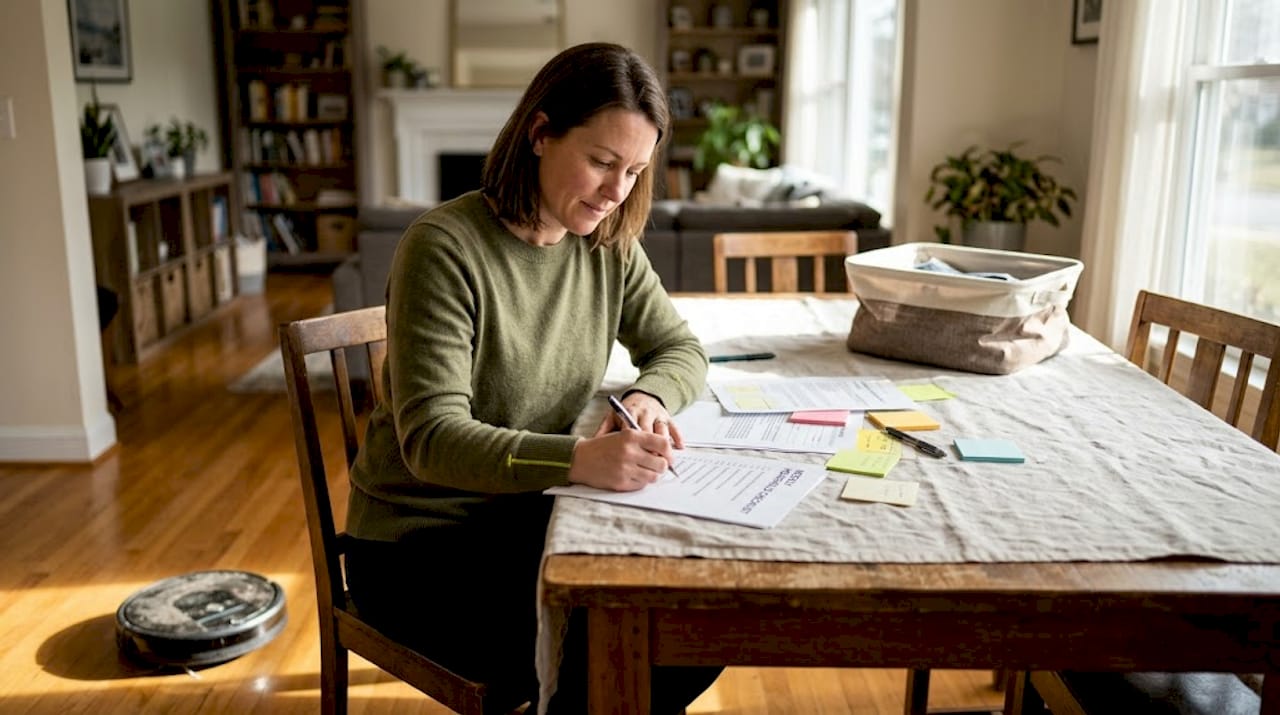
TL;DR:
Housekeeping checklists improve cleaning consistency, efficiency, and property maintenance.
Customization for Florida’s climate includes tasks like mold prevention and hurricane preparedness.
Digital checklists enhance accountability, tracking, and reduce costly oversights in property management.
A housekeeping checklist is not just a reminder list. Used correctly, it is a quality control system that prevents costly oversights, protects property value, and saves you hours every week. Checklists boost cleaning efficiency, increase property value, and reduce unnecessary maintenance spending. Whether you manage a single-family home in Nocatee, a vacation rental in St. Augustine, or a commercial office in Ponte Vedra, the right checklist transforms how cleaning gets done. This guide covers how to build effective checklists, adapt them to Florida’s demanding climate, manage commercial properties, and handle edge cases like turnovers and hurricane prep.
Table of Contents
Key Takeaways
Point | Details |
Start with structure | A top-to-bottom process ensures no critical cleaning step is missed in any property. |
Local climate matters | Adapt checklists for Northeast Florida by including humidity and pollen control measures. |
Technology increases results | Digital checklists allow better tracking, accountability, and reduced complaints in all property types. |
Edge cases require extra care | For turnovers and emergencies, specialized lists protect property value and ensure guest satisfaction. |
What makes a housekeeping checklist truly effective?
Now that you know checklists are more than just reminders, let’s break down exactly what makes them effective for any property.
A strong checklist follows a standardized sequence. It starts with a pre-clean assessment, moves through linen and trash removal, follows a top-to-bottom surface approach, addresses bathrooms and kitchens, then finishes with floor care and a final inspection. Housekeeping checklists follow a top-to-bottom method: pre-clean inspection, linen removal, high-to-low dusting, bathrooms and kitchens, floor care, and final review. This order matters. When you dust shelves before vacuuming floors, you avoid rework. When you inspect before cleaning, you catch pre-existing damage that might otherwise get blamed on your team.
“Checklists reduce training time and increase cleaner efficiency up to 97.9%.”
That number is not an accident. It reflects what happens when every cleaner follows the same proven sequence rather than working from memory. You can find checklist examples for homes and offices to see how that structure applies across different property types.
Paper vs. digital checklists: a quick comparison
Feature | Paper checklist | Digital checklist |
Cost | Low upfront | Low to moderate |
Accountability | Difficult to verify | Easy to track and audit |
Updates | Manual, slow | Instant, scalable |
Best use case | Small homes, solo cleaners | Teams, rentals, commercial |
Rework risk | Higher | Lower |
For commercial properties, digital tools win. For a small home cleaned by the same person each week, paper works fine. The key is consistency, not format. You can also explore a commercial cleaning checklist to see how teams structure frequency-based task lists.
Five criteria for a high-quality checklist:
Clarity: Every task is specific. “Wipe counters” becomes “wipe kitchen counters, backsplash, and cabinet fronts.”
Coverage: No room or surface is left out.
Accountability: Each task has an owner and a completion marker.
Adaptability: The checklist can be updated as property needs change.
Auditability: Completed checklists are saved and reviewable.
When all five criteria are met, your checklist stops being a suggestion and becomes a performance standard. Review expert cleaning tips to see how professionals apply these principles in real homes.
Customizing housekeeping checklists for Florida homes
With an understanding of general best practices, let’s tailor checklists to the unique needs of homes in Florida’s challenging climate.
Florida homes face cleaning pressures that most generic checklists ignore. High humidity encourages mold growth inside HVAC systems, window frames, and grout lines. Oak pollen coats every surface from January through April. Algae and mildew build up on driveways, roofs, and exterior walls faster than in drier states. Hurricane season adds prep and post-storm cleanup to the annual calendar. Your checklist needs to account for all of it.
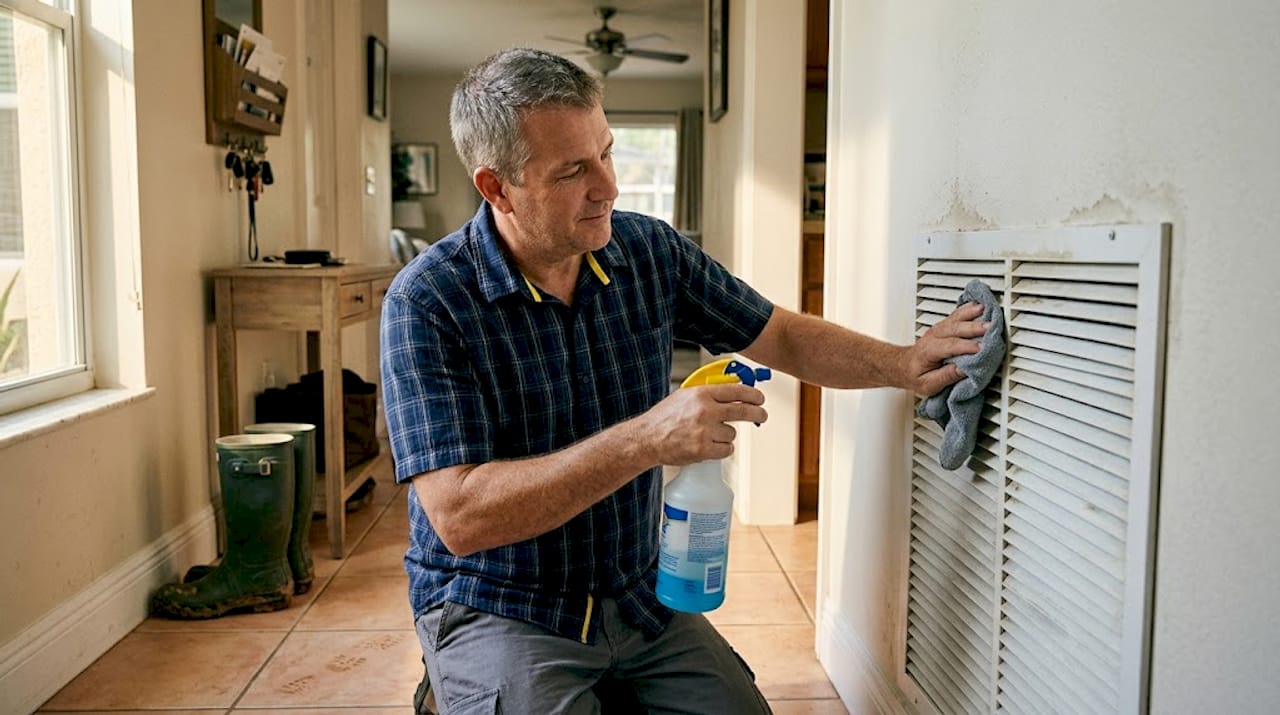
Homeowners in NE Florida combat humidity, pollen, and mold with monthly HVAC and window cleaning, pressure washing, and biannual gutter cleaning. These are not optional extras. They directly protect indoor air quality and your home’s long-term value.
Monthly and seasonal must-do tasks for Florida homes:
Replace or clean HVAC filters (monthly, or every 30 days during pollen season)
Wipe down window sills and tracks to prevent mold buildup (monthly)
Pressure wash driveways, patios, and exterior walls (every 3 to 6 months)
Clean gutters and downspouts to prevent blockages (biannually)
Treat roof edges and overhangs for algae and mildew (biannually)
Deep clean window screens and glass (seasonally)
Inspect and clean air vents throughout the home (quarterly)
Flush and clean outdoor areas before and after hurricane season (twice yearly)
Task frequency and impact for Florida homes:
Task | Frequency | Air quality impact | Home value impact |
HVAC filter change | Monthly | High | Moderate |
Window and sill cleaning | Monthly | Moderate | High |
Pressure washing | Every 3 to 6 months | Low | High |
Gutter cleaning | Biannually | Low | High |
Roof algae treatment | Biannually | Low | High |
Air vent cleaning | Quarterly | High | Moderate |
Pro Tip: Schedule your exterior, gutter, and window cleaning on the same day each quarter. Grouping these tasks saves travel time and lets you inspect the full exterior in one pass, which means you catch small problems before they become expensive ones.
St. Augustine and Ponte Vedra homeowners can use our Jacksonville homeowner checklist as a starting point, and pair it with a deep cleaning checklist by room for interior tasks. For high-humidity interiors, deep cleaning for humid climates outlines techniques that reduce mold risk significantly.
Mastering commercial and property management checklists
Residential checklists set the foundation, but commercial properties demand a different, more systematic approach.
Commercial properties require zone-based checklists. You divide the property into areas like lobbies, individual offices, restrooms, break rooms, and exteriors, then assign tasks and frequencies to each zone. This prevents overlap, reduces missed areas, and makes it easy to hold specific team members accountable.
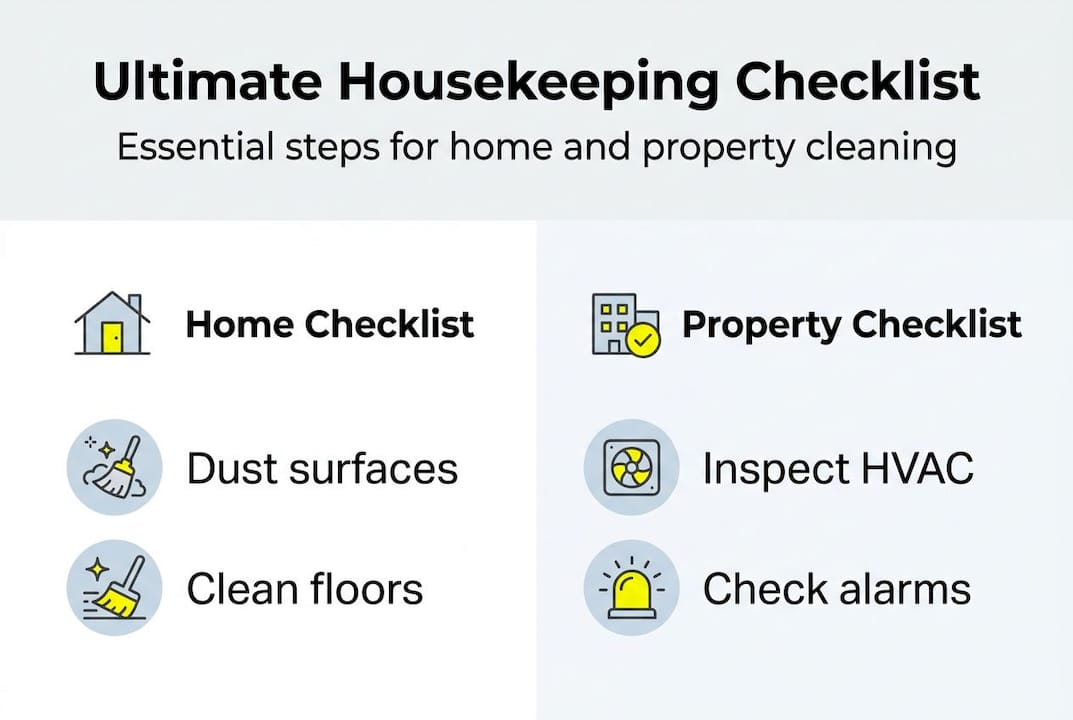
Property managers segment checklists by area and frequency: daily for high-traffic zones, weekly for general dusting, and monthly for deep cleaning. Digital tracking improves accountability across the board.
Commercial checklist priorities by frequency:
Daily: Empty trash, sanitize restrooms, wipe reception and lobby surfaces, mop entry floors, restock paper products
Weekly: Vacuum all carpeted areas, dust office furniture and electronics, clean break room appliances, wipe interior glass
Monthly: Deep clean restroom grout and tile, shampoo carpets in high-traffic areas, clean HVAC vents, inspect exterior entry points
Preventing carpet wear through consistent checklist use can save $1,500 to $3,000 per replacement cycle. That is not a small number for any property manager working within a budget.
Pro Tip: Use digital checklist tools to shadow staff remotely, track task completion in real time, generate inspection reports, and reduce tenant complaints. Digital checklists enable audits, clear client communication, and maintenance software integration, all of which protect you in disputes and improve tenant retention.
Explore office cleaning duties for a detailed task breakdown and review our efficient home care checklist if you manage both residential and commercial units. For broader guidance, property management cleaning best practices covers compliance and vendor coordination.
Edge-case checklists: Turnovers, vacation rentals, and emergencies
Beyond day-to-day cleaning, certain situations require extra-thorough checklists. Let’s cover how to handle the unexpected.
Edge cases include turnovers, vacation rentals, post-construction cleans, and hurricane prep: inside appliances and cabinets, behind furniture, vents, and gutters all need attention that standard checklists skip.
Vacation rental turnover checklist:
Perform a scent check immediately on entry. Odors signal hidden mold, trash, or pet accidents.
Strip all linens and inspect mattresses and pillows for stains or damage
Restock guest supplies: toiletries, paper products, and coffee station
Test all electronics including WiFi, TV remotes, and smart locks
Inspect inside all kitchen appliances including the microwave, oven, and refrigerator
Wipe all cabinet interiors and check for food left behind
Check behind furniture and under beds for personal items or debris
Complete a final walkthrough with a flashlight to catch dust along baseboards and air vents
For move-out cleans, the bar is even higher. You need to clean inside every appliance and cabinet, move furniture to clean behind and underneath it, scrub baseboards, and clear every air vent. Use our move-out cleaning checklist and rental-ready cleaning procedure to make sure nothing gets skipped.
Hurricane and post-construction must-dos:
Clear all gutters and downspouts before storm season starts
Seal and inspect air vents to prevent debris or water intrusion
After a storm, check for hidden moisture in wall cavities and under flooring
Remove construction dust from all surfaces including ceilings and HVAC intakes
Test air quality before occupying any post-construction or post-storm space
“The best quality control step? The white sock walk. Put on a clean white sock, slide it across floors and baseboards, and check what comes off. If it is not clean, the job is not done.”
This test, also used by professional vacation rental managers, is one of the most reliable ways to verify a cleaning meets guest-ready standards. Our vacation rental turnover cleaning service is built around this level of detail.
Perspective: Why checklist culture beats guesswork every time
In light of these practical scenarios, let’s address why checklists matter more than ever in both home and professional settings.
Here is something most experienced cleaners and property managers will not admit: even people who have cleaned the same property hundreds of times still miss steps without a checklist. Not because they are careless, but because memory is not reliable under time pressure. A missed baseboard or an unchecked air vent can turn into a guest complaint, a tenant dispute, or a maintenance cost that did not need to happen.
Consistent checklist use boosts property value and tenant retention, and that connection is not coincidental. Properties maintained to a documented standard simply perform better over time.
Vacation rentals that follow structured checklists consistently receive fewer complaints and higher reviews. The properties that skip checklists are the ones dealing with one-star reviews about a forgotten smell or a grimy bathroom corner.
Pro Tip: Even if you think you know every task by heart, write it down. The act of listing each step removes the temptation to cut corners when you are tired or rushed. Review going beyond basic checklists to see how adding accountability layers elevates results further.
Checklists are not about distrust or micromanagement. They are about consistency. And consistency is what turns a clean home into a well-maintained property.
Experience next-level cleaning—templates and pro help at your fingertips
Taking checklist culture to the next level is easy with the right local support.
At My Lemon Maids, we work with homeowners and property managers across St. Augustine, Ponte Vedra, and Nocatee to deliver cleaning that follows exactly the kind of structured, thorough process this article describes. You do not have to build your system from scratch.

Whether you need deep cleaning services for a full home reset, office cleaning on a schedule that fits your business, or pressure washing experts to handle Florida’s exterior buildup, we bring the checklist, the team, and the accountability. Reach out today to get a quote and take the guesswork out of maintaining your property at the highest standard.
Frequently asked questions
What is the most important step often skipped in housekeeping checklists?
Final inspections like a white sock walk or flashlight check catch residual dust and missed spots that a quick visual scan will not reveal.
How often should I pressure wash my home in Northeast Florida?
Pressure washing is best done every 6 to 12 months. Florida home checklists include seasonal pressure washing specifically to address mold, algae, and heavy pollen buildup.
Why use a digital housekeeping checklist instead of paper?
Digital checklists enable easy tracking, real-time audits, and maintenance software integration, which makes task omissions far less likely on larger or multi-unit properties.
What’s unique about checklists for vacation rentals versus regular homes?
Vacation rentals require scent checks, supply restocks, and functional inspections of gadgets and locks that standard home checklists do not include.
Can checklists really save on property maintenance costs?
Yes. Preventative checklist use can save $1,500 to $3,000 in carpet replacement costs alone, and consistent documentation supports better tenant retention over time.
Recommended

Comments